Risk & Resiliency Draft

Risk & Resiliency Draft
As stewards of public health and the environment, water professionals have long recognized the critical importance of security and emergency preparedness in delivering safe, reliable drinking water to our communities. The water community takes an all-hazards approach to resilience by safeguarding facilities against physical threats, cyberattacks, and sabotage, while planning for both routine and extraordinary events. As critical infrastructure, water and wastewater utilities bear a profound responsibility to maintain operations under all conditions, a challenge made increasingly complex by aging infrastructure, severe weather events, and a growing threat landscape that demands constant vigilance. AWWA remains committed to supporting the professionals who meet this responsibility every day.
Resources
SDWA Section 1433 / America’s Water Infrastructure Act (AWIA)
America’s Water Infrastructure Act (AWIA) of 2018 serves as a catalyst for utilities to evaluate their resilience to risk and to create emergency plans for responding to any unfortunate situations.
Time‐critical is the utility’s duty to prepare a risk and resilience assessment and develop plans to respond to a broad range of risks to water systems which include threats of terrorism, natural disasters, and cybersecurity threats to process control systems and financial infrastructure.
Six months after an assessment is completed, an emergency response plan reflecting the assessment findings must also be completed.
Utility Risk & Resilience Certificate Program
The AWWA Utility Risk & Resilience Certificate Program is intended to help utilities and consultants working with utilities to apply sound risk and resilience management strategies that will facilitate compliance with AWIA.
It is based on several AWWA standards and associated resources (G430, G440, J100, and Cybersecurity Guidance) that facilitate compliance with provisions of America’s Water Infrastructure Act (AWIA) of 2018, which must be met on a five year cycle.
Water/Wastewater Agency Response Network
The Water and Wastewater Agency Response Network (WARN) is a network of utilities helping other utilities to respond to and recover from emergencies. The purpose of a WARN is to provide a method whereby water/wastewater utilities that have sustained or anticipate damages from natural or human-caused incidents can provide and receive emergency aid and assistance in the form of personnel, equipment, materials and other associated services as necessary from other water/wastewater utilities.
Water Sector Resource Typing
Resource typing is one component of a utility’s overall risk and resilience management strategy that includes maintaining an Emergency Response Plan (ERP), applying National Incident Management System (NIMS) principles, establishing mutual aid and assistance agreements, and considering business continuity planning needs.
This guidance facilitates the development of resource types for water sector personnel, teams, and equipment, allowing for the development of mission-ready packages and allowing for expedited mutual aid requests and responses.
SAFETY ACT: A Powerful Benefit to the Water Sector
If an organization is exposed daily to catastrophic liability by virtue of the type of work it does, why would it not take every reasonable step possible to protect itself from the legal fallout of a terrorist attack? This is the exact question that drinking water and wastewater utility owners and operators across the United States need to be asking themselves.
The true benefit of the SAFETY Act goes to the water and wastewater utility owners and operators, who now have the ability to receive critical third‐party liability protections for the implementation of AWWA standards at their facilities.
Cybersecurity & Guidance
Cybersecurity is the top threat facing business and critical infrastructure in the United States, according to reports and testimony from the Director of National Intelligence, the Federal Bureau of Investigation and the Department of Homeland Security. All water systems should act to examine cybersecurity vulnerabilities and develop a cybersecurity risk management program.
Technical Resources
Reports
Manuals
AWWA Standards
M19 Emergency Planning for Water and Wastewater Utilities
This manual presents an all-hazards approach for principles, practices, and guidelines in water utility emergency planning.
Get the Manual
M60 Drought Preparedness and Response
This manual will help water managers facing water shortages by illustrating how to employ tried-and-true strategies and tactics of drought mitigation, as well as introducing new tools and methods.
Get the Manual
M71 Climate Action Plan: Adaptive Management Strategies for Utilities
This manual provides comprehensive global guidance providing the relevant information required to develop a Climate Action Plan (CAP).
Get the Manual
J100 Risk and Resilience Management of Water and Wastewater Systems
The purpose of this standard is to enable water and wastewater utility owners and operators to make sound decisions when allocating limited resources to reducing risk and improving resilience.
Get the Standard
Operational Guide to AWWA Standard J100 Risk & Resilience Management of Water & Wastewater Systems
This operational guide has been written to implement risk assessment and management best practices, as set forth in AWWA Standard J100 Risk and Resilience Management of Water and Wastewater Systems.
Get the Guide
Operational Guide to AWWA Standard G300 Source Water Protection
This operational guide helps utility managers incorporate G300 into everyday utility operations. The operational guide for G300 Source Water Protection helps utilities identify source water protection goals, product action plans, implement the plans, and assess effectiveness.
Get the Standard
AWWA G300-22 Source Water Protection
This standard describes the essential elements for the effective protection of source waters.
Get the Standard
G430 Security Practices for Operation and Management
The purpose of this standard is to define the minimum requirements for a protective security program for a water, wastewater, or reuse utility that will promote the protection of employee safety, public health, public safety, and public confidence.
Get the Standard
Load More

Advertisement
Events With a Focus on Risk & Resilience
See All Events
AWWA/WEF The Utility Management Conference™
The world of water is finite. Find new ways to protect and conserve.
February 16-19, 2027
Vancouver, BC, Canada

Annual Conference & Expo
Navigate the future of water at one of the largest and most important global water gatherings.
June 13-16, 2027
San Diego, California

Related Resources
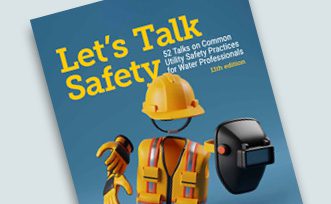
Let’s Talk Safety: 52 Talks on Common Utility Safety Practices for Water Professionals
Let’s Talk Safety is designed to help you build awareness of potential work hazards and provide safety practices that help mitigate those hazards. Talking to your employees about their safety and listening to their safety concerns and experiences are the foundation to building an effective safety culture. Let’s Talk Safety takes the work out of your safety meetings by giving you 52 short briefings tailored specifically for water utility employees, plus links to additional resources.
Buy Now
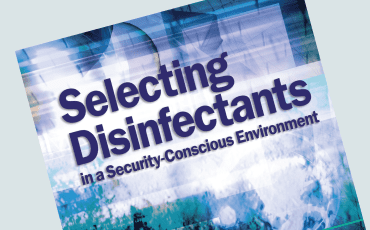
Selecting Disinfectants in a Security-Conscious Environment
Evaluate water disinfection options from a security standpoint with guidance form this book.
Get the Book
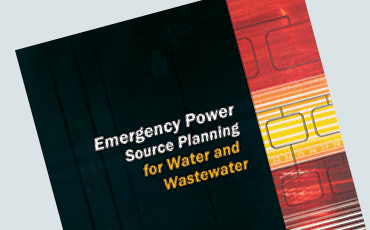
Emergency Power Source Planning for Water and Wastewater
A complete planning guide for water and wastewater utilities for assessing and planning standby power needs.
Get the Book

Planning for Resilient Drinking Water Systems: Case Studies from Pennsylvania
Water utilities face tough challenges in providing reliable services as well as systemwide resilience for emergencies and unexpected events. Three case studies from Pennsylvania American Water show the importance and benefits of being proactive in building system resilience, improving response time, and reducing potential risks. Case studies on preparedness provide a checklist for other utilities to consider during all-hazards risk and resilience studies mandated under America’s Water Infrastructure Act of 2018.
Read the Article
Adsorptive contractors for removal of soluble manganese during drinking water treatment
Water treatment facilities are often challenged to achieve effective soluble manganese (Mn) removal in the face of competing needs to achieve other water treatment objectives (e.g., disinfection by-product control and biological filtration). Previous research has demonstrated that effective soluble Mn removal can be achieved on media surfaces coated with manganese dioxide [MnOx(s)].
Read the Article
Now is the Time to Enhance Resilience
This February’s winter storms hit Texas and neighboring states hard, causing an incredible amount of human suffering. The combination of the storm and unusually cold temperatures caused a series of cascading electrical generation and grid failures, resulting in millions of residents and critical infrastructure providers to be without power for several days (some even longer).
Read the Article
Epidemic/Pandemic Emergency Planning for Water Utilities
Epidemics and pandemics are natural disasters that water utilities must prepare for and respond to. There are mitigation measures that utilities can employ during an epidemic or pandemic to reduce the impact of these disasters on their operations and the communities that they serve. The guidance and resources in this article should help drinking water utilities deal with present and future COVID-19 concerns, as well as other public health emergencies that will undoubtedly occur in the future.
Read the Article
Priority Action on Risk and Resilience
Those who work in the water sector are acutely aware of the essential service and function they provide to every community served. One might even suggest that the water sector was the first to recognize the importance of an all-hazards approach to risk management.
Read the Article
Advertisement
External Resources
EPA Drinking Water and Wastewater Resilience
EPA Emergency Response Drinking Water and Wastewater Utilities:
EPA Safe Drinking Water Act 1441
CISA Water and Wastewater Cyber Security
CDC Water, Sanitation and Hygiene (WASH) – Related Emergencies and Outbreaks
CDC Emergency Water Supply Planning Guide for Hospitals and Healthcare Facilities
FEMA Risk Management
FEMA National Preparedness
Public Safety Canada Emergency Preparedness
Making ICS Easier for Water and Wastewater
Planning for an Emergency Drinking Water Supply
Water Treatment Chemical Supply Chain Profiles
Business Continuity Water Plans for Water Utilities
Concept of Operations (CONOPS) Plan for Water Distribution System Testing and Recovery

AWWA Policy Statements
AWWA’s policy statements are brief statements on protecting and improving water supply, water quality, management, and the interests of the public and the environment. They are written by consensus, subject to review and comment by AWWA committees, councils, and members. Because they represent AWWA’s position on these matters, they are approved by the AWWA Executive Committee of the board of directors.
Technical Committee Engagement
AWWA members are recognized globally for their industry expertise and their generosity in sharing that expertise for a better world through better water. AWWA members participate in committee activities, developing conference programs, writing technical manuals, developing standards, creating educational content and contributing to AWWA publications. Committee members primarily interact through conference calls, emails, and face to face meetings at conferences and events.
Emergency Preparedness Committee
Standards Committee on Security for Operation and Management
Standards Committee on Emergency Preparedness Practices
Standards Committee on Risk and Resilience
Advertisement