Dedicated to Protecting Water — the World’s Most Vital Resource
I want to know more about
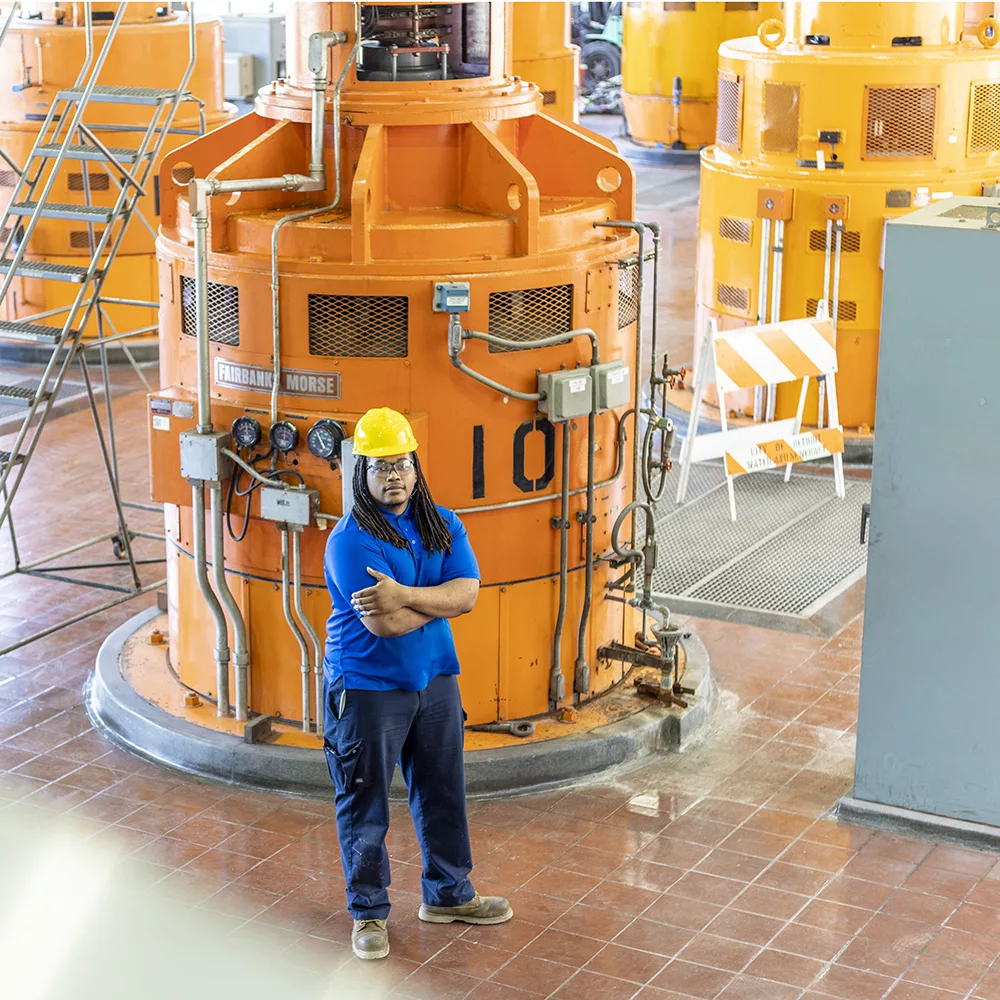

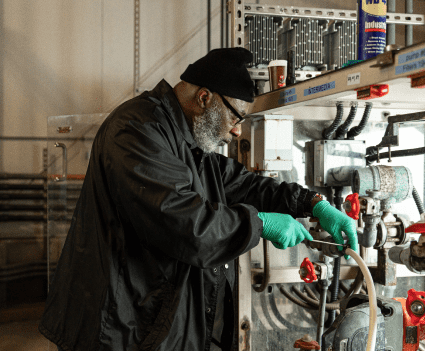
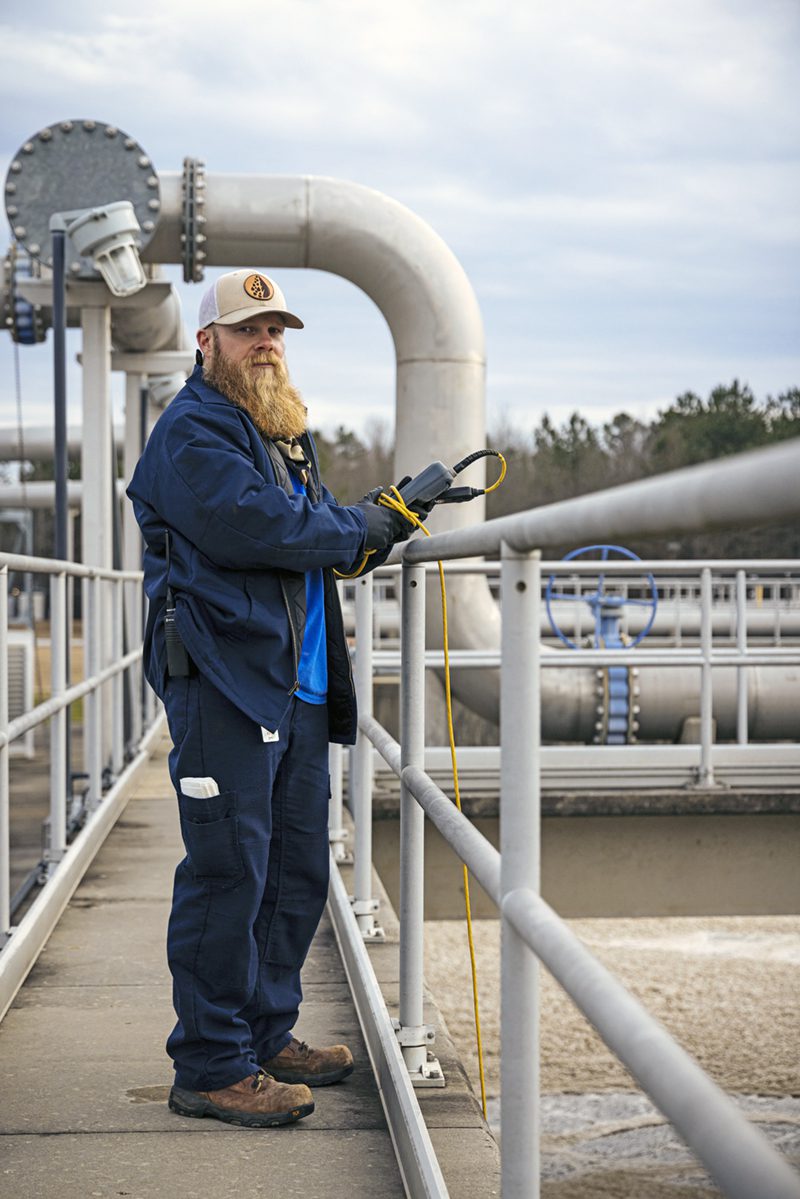

Join Us on Our Mission To Create a Better World Through Better Water
Uncover helpful tools and solutions to support your operations based on your role and responsibilities. Connect with fellow operators, engineers, students and other water professionals — just like you — to share knowledge and improve your day-to-day, as we collectively protect the world’s most vital resource.
Join AWWA
Advertisement
Connect With Professionals, Gain Knowledge, & Improve Operations
See All Events
Essential Policy Updates from AWWA’s DC Office: Year-End 2026
November 4, 2026
Online

Annual Conference & Expo
Navigate the future of water at one of the largest and most important global water gatherings.
June 13-16, 2027
San Diego, California

Water Quality Technology Conference
Discover the latest science, research, and engineering and solutions to fight drinking water contamination.
November 15-19, 2026
Memphis, TN

AWWA/WEF The Utility Management Conference™
The world of water is finite. Find new ways to protect and conserve.
February 16-19, 2027
Vancouver, BC, Canada

AWWA & Water Community Updates
From regulatory updates to thought leadership articles, find the latest insights.
Regulatory Updates
Trends in the Industry from AWWA Publications
Plan to celebrate Source Water Protection Week 2026
Source Water Protection Week returns Sept. 27-Oct. 3, giving AWWA members an opportunity to spotlight where their community’s drinking water comes from and the work underway to protect it. This year’s theme is once again “Protect the Source,” emphasizing the importance of caring for our rivers, lakes, reservoirs and aquifers in order to provide safe, reliable drinking water. Throughout the week, AWWA and many other organizations will raise awareness and inspire action to safeguard our precious drinking water sources. AWWA Source Water Protection Week materials are now available online.
Read More
Upheld U.S. EPA’s designation of PFOA and PFOS as hazardous substances
The D.C. Circuit Court of Appeals on Tuesday upheld the U.S. Environmental Protection Agency’s (EPA) designation of perfluorooctanoic acid (PFOA) and perfluorooctane sulfonate (PFOS) as hazardous substances under the Comprehensive Environmental Response, Compensation, and Liability Act (CERCLA), commonly known as Superfund.
Read More
Response to cyberattacks on water systems
The Cybersecurity and Infrastructure Security Agency (CISA) is currently observing a significant increase in the targeting of programmable logic controllers (PLCs) located in the water and wastewater sector by an unknown threat actor. CISA and the U.S. Environmental Protection Agency (EPA) are urging water utilities to take immediate protective actions after a series of cyberattacks impacted multiple water services in several states, including in more than 30 communities in Minnesota. This escalation follows the joint advisory issued last week by CISA specifically focused on the exploitation of internet-connected operational technology (OT) devices, including PLCs.
Read More
Plan to celebrate Source Water Protection Week 2026
Source Water Protection Week returns Sept. 27-Oct. 3, giving AWWA members an opportunity to spotlight where their community’s drinking water comes from and the work underway to protect it. This year’s theme is once again “Protect the Source,” emphasizing the importance of caring for our rivers, lakes, reservoirs and aquifers in order to provide safe, reliable drinking water. Throughout the week, AWWA and many other organizations will raise awareness and inspire action to safeguard our precious drinking water sources. AWWA Source Water Protection Week materials are now available online.
Read More
Upheld U.S. EPA’s designation of PFOA and PFOS as hazardous substances
The D.C. Circuit Court of Appeals on Tuesday upheld the U.S. Environmental Protection Agency’s (EPA) designation of perfluorooctanoic acid (PFOA) and perfluorooctane sulfonate (PFOS) as hazardous substances under the Comprehensive Environmental Response, Compensation, and Liability Act (CERCLA), commonly known as Superfund.
Read More
Response to cyberattacks on water systems
The Cybersecurity and Infrastructure Security Agency (CISA) is currently observing a significant increase in the targeting of programmable logic controllers (PLCs) located in the water and wastewater sector by an unknown threat actor. CISA and the U.S. Environmental Protection Agency (EPA) are urging water utilities to take immediate protective actions after a series of cyberattacks impacted multiple water services in several states, including in more than 30 communities in Minnesota. This escalation follows the joint advisory issued last week by CISA specifically focused on the exploitation of internet-connected operational technology (OT) devices, including PLCs.
Read More
William Becker Honored With 2026 A.P. Black Research Award
Kenneth Mercer, editor-in-chief of Journal AWWA, interviewed A.P. Black Award recipient William Becker to learn about his contributions and the influence he’s had over his 40-plus years in the drinking water community.
Read More
Operators Need to Know Primary Disinfection
Understanding how primary disinfection works with different types of chemicals can help operators better evaluate how their water treatment systems are set up to meet US Environmental Protection Agency requirements.
Read More
Conditions for Evaluating PAC Against GAC to Control PFAS in Drinking Water
This study could be highly valuable to utilities, helping them navigate decisions between GAC and PAC for PFAS removal, potentially resulting in substantial lifecycle cost savings.
Read More
William Becker Honored With 2026 A.P. Black Research Award
Kenneth Mercer, editor-in-chief of Journal AWWA, interviewed A.P. Black Award recipient William Becker to learn about his contributions and the influence he’s had over his 40-plus years in the drinking water community.
Read More
Operators Need to Know Primary Disinfection
Understanding how primary disinfection works with different types of chemicals can help operators better evaluate how their water treatment systems are set up to meet US Environmental Protection Agency requirements.
Read More
Conditions for Evaluating PAC Against GAC to Control PFAS in Drinking Water
This study could be highly valuable to utilities, helping them navigate decisions between GAC and PAC for PFAS removal, potentially resulting in substantial lifecycle cost savings.
Read More

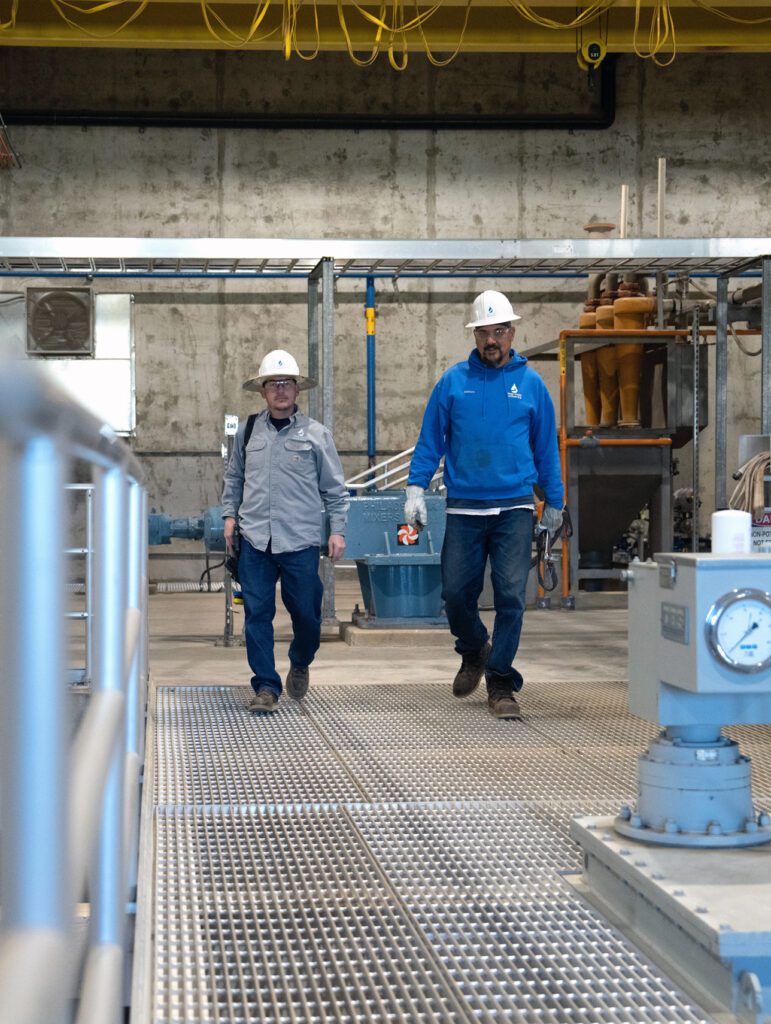
Standards Written & Maintained by Experts
Stay current with the state of the industry through AWWA Standards. Since our first standard was published in 1908, we continue to publish standards to help the water community evolve with changing times. Now, with more than 200+ AWWA Standards produced to-date, trust AWWA Standards for credibility, quality assurance, and a true industry-wide consensus.
AWWA Standards address all products and processes related to the water industry. From source to storage, from treatment and distribution, our ever-growing repository of resources keeps water professionals aware of minimum requirements and operating safely.
Learn More
Collaborating For the Future of Water
AWWA’s Water 2050 initiative will establish a long-term vision for the future of water. Through collaborative, intentional and inclusive discourse, we will chart a prosperous path for the water community. Water 2050 will foster partnerships and cross-sector collaboration that extend beyond our industry to benefit the global community.
Learn More
Advertisement
Comprehensive & Authoritative Materials
Knowledge flows like water — constantly evolving. Explore AWWA publications and stay ahead in the dynamic world of water.
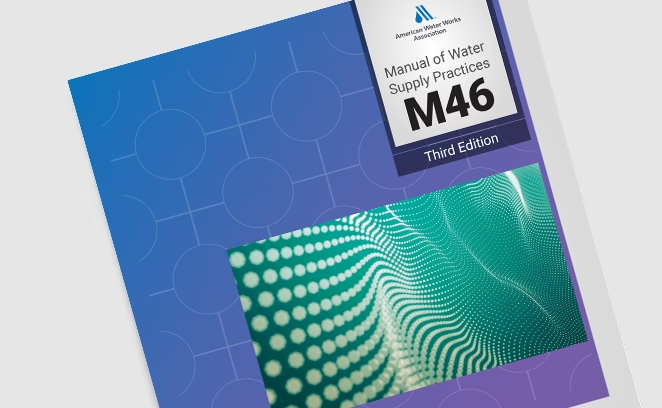
M46 Nanofiltration and Reverse Osmosis, Third Edition
The manual provides a thorough overview of RO and NF technologies. Chapter topics encompass theory and applications, design, equipment, installation, operations, and maintenance.
Read More
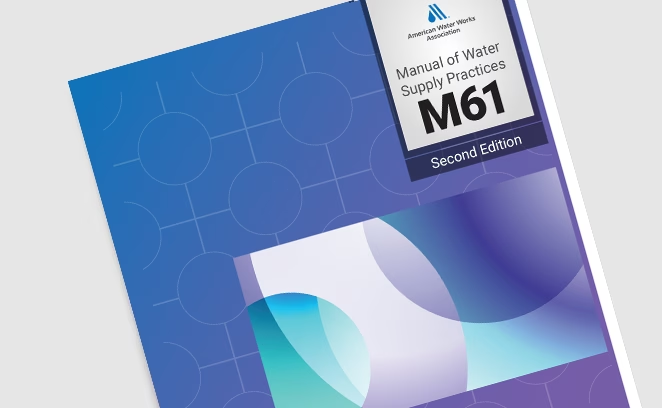
M61 Desalination of Seawater
This manual provides technical and planning guidance for drinking water utilities that currently operate, are developing, or are considering desalination facilities.
Read More

M1 Principles of Water Rates, Fees, and Charges
As issues associated with water rates and charges continues to evolve, so must the utilities approach to selecting and communicating their rates, charges, and pricing policies.
Read More
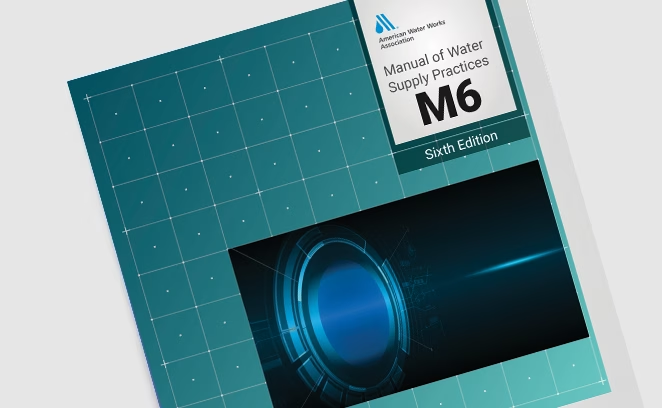
M6 Water Meters – Selection, Installation, Testing, and Maintenance, Sixth Edition
This manual is a guide to selecting, installing, testing, and maintaining water meters.
Get the Manual
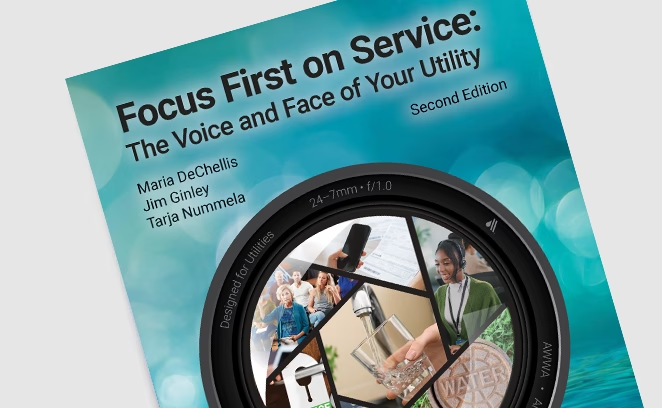
Focus First on Service: The Voice and Face of Your Utility Second Edition
An in-service training workbook for water utility customer service representatives.
Get the Book
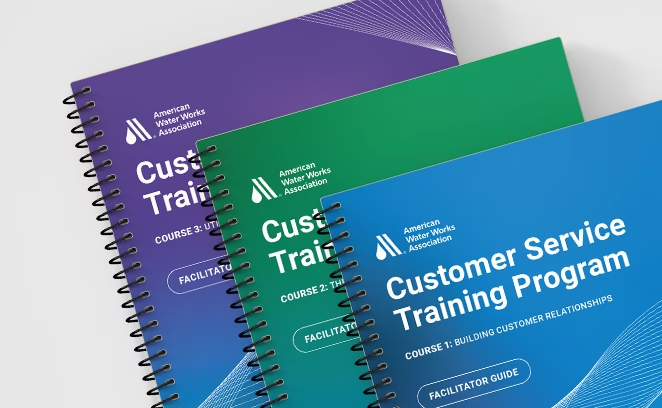
Customer Service Training Program — Facilitator Handbook 3-Day Bundle
AWWA’s Customer Service Training Program provides both facilitator guidebooks and corresponding student guidebooks to complete on-site, face-to-face training.
Read More
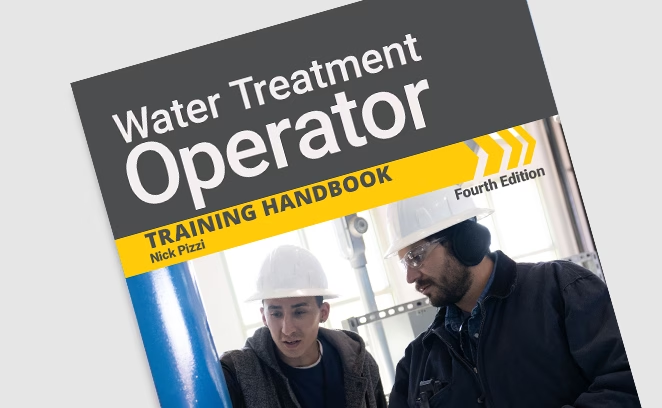
Water Treatment Operator Training Handbook Fourth Edition
Producing and delivering the highest quality drinking water takes training, knowledge, and attention to detail. Water operators do it every day with the top training and best practices they get from this popular handbook.
Read More
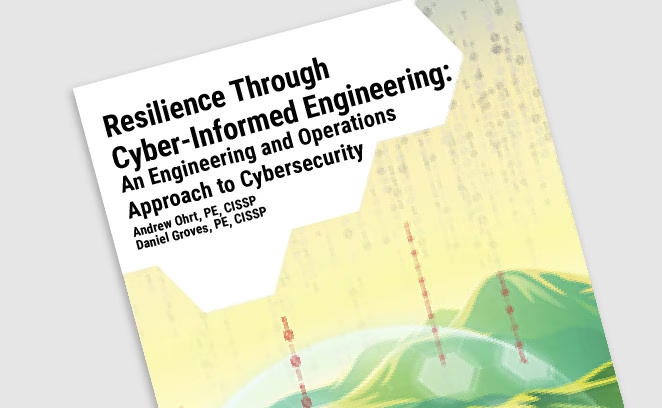
Resilience Through Cyber-Informed Engineering: An Engineering and Operations Approach to Cybersecurity
Water and wastewater systems are increasingly reliant on digital technologies—yet many remain vulnerable to cyber threats that could disrupt essential services. Cyber-Informed Engineering (CIE) empowers utility leaders, engineers, operators, and planners to design and operate infrastructure that anticipates and withstands these risks. By integrating cybersecurity into core engineering practices, CIE strengthens resilience, protects public health, and ensures continuity of service for communities across the “One Water” sector.
Read More
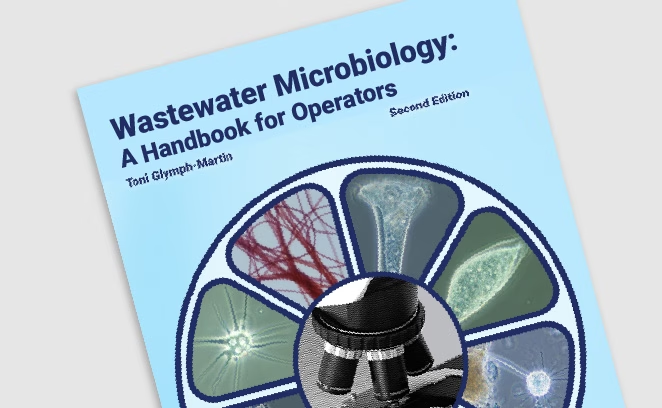
Wastewater Microbiology: A Handbook for Operators
Operators play a vital role in protecting public health and the environment—and understanding the biology behind wastewater treatment is essential to that mission. Microorganisms such as bacteria, protozoa, metazoa, algae, and fungi are the engines of pollutant removal, working at every stage from preliminary screening to advanced disinfection. With updated guidance reflecting today’s regulatory standards and treatment challenges, this edition empowers operators to manage biological systems with confidence, clarity, and purpose.
Read More
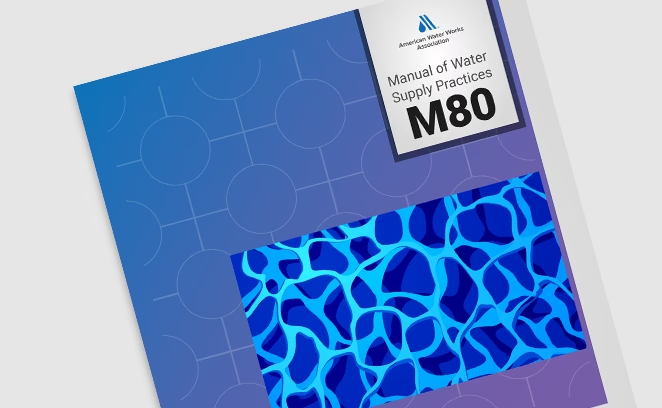
M80 Biological Drinking Water Treatment
Biological treatment processes are a sustainable method for removing an array of both inorganic and organic contaminants from water.
Read More
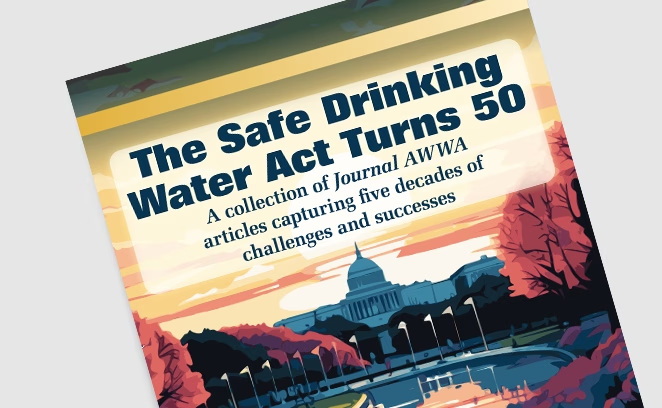
The Safe Drinking Water Act Turns 50: A Collection of Articles from Journal AWWA
The Safe Drinking Water Act (SDWA) was signed into law on December 16, 1974, which makes 2024 the 50th anniversary of the original statute. In honor of 50 years since the passing of the SDWA, the American Water Works Association is excited to celebrate this significant milestone with the publication of this commemorative book.
Read More
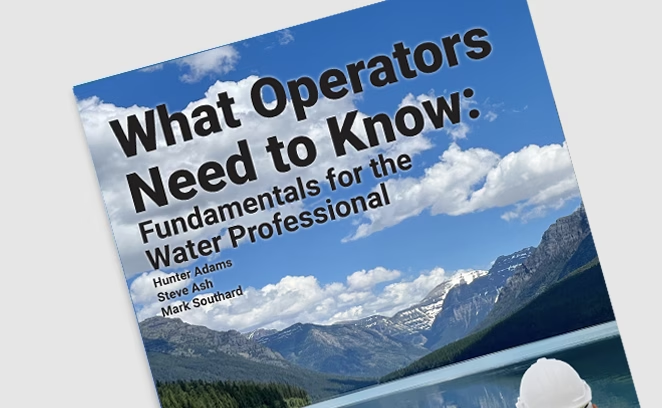
What Operators Need to Know: Fundamentals for the Water Professional
The goal of this book is to take large topics and break them down into basics that even new operators can understand. Operator licensing courses throughout the United States often focus on the “what”—mostly the specifics within a state’s administrative code (law) that operators need to know to meet compliance. This book goes much deeper, and in simple terms, looks at the “why” behind the “what.”
Read More
AWWA F111-25 Ultraviolet Disinfection Systems for Wastewater Effluent
The purpose of this standard is to provide a minimum set of requirements for UV systems for wastewater treatment. This standard is intended to assist with the design, procurement, installation, and commissioning of UV disinfection systems.
Read More
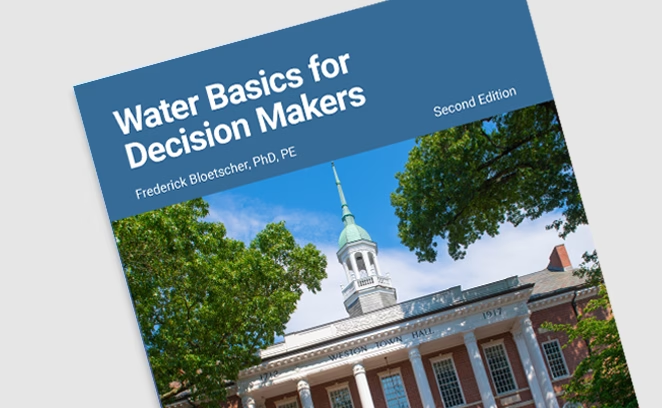
Water Basics for Decision Makers: Local Officials’ Guide to Water & Wastewater Systems, Second Edition
Water and wastewater utilities are the backbone of public health, economic development, and environmental protection. As expectations rise and challenges evolve—from regulatory shifts to infrastructure aging and workforce transitions—utility leaders must be equipped to navigate complexity with clarity and purpose. This revised edition of Water Basics for Decision Makers empowers public officials, managers, and operators with foundational knowledge and forward-looking insights to deliver safe, sustainable, and equitable service in a rapidly changing world.
Read More
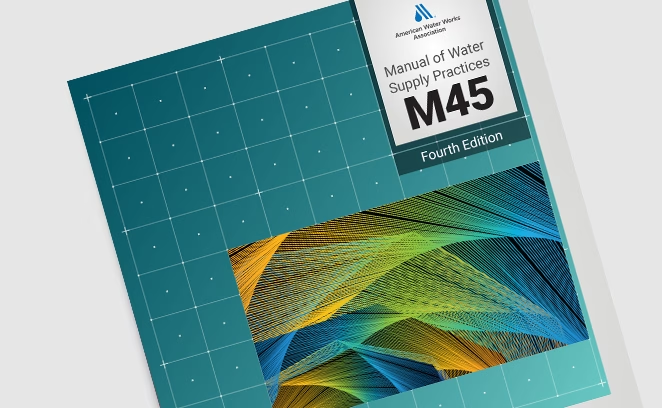
M45 Fiberglass Pipe Design, Fourth Edition
The manual covers fiberglass pipe and fitting products and certain appurtenances and their application to practical installations, whether of a standard or special nature.
Read More
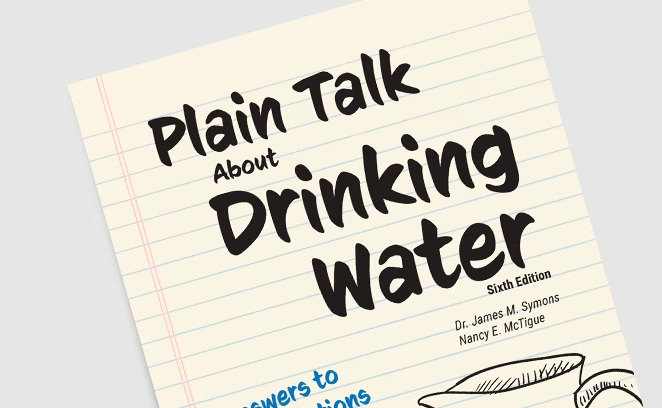
Plain Talk About Drinking Water, Sixth Edition
The first edition of this book was published more than 30 years ago. The goal of that book was to provide explanations for some of the questions that surround drinking water. Where does my tap water come from? How is it treated? Why does ice float? And to explain these things and more, in simple but factual language—using “plain talk.”
Read More
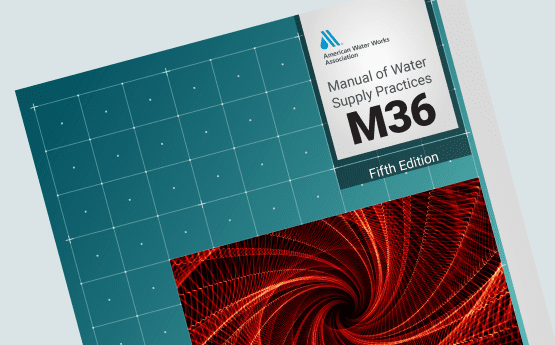
M36 Water Audits and Loss Control
Each year millions of gallons of water are lost to leakage, meter error, and water theft – impacting a utilities bottom line. This manual paired with AWWA’s free Water Audit Software gives you everything you need to greatly improve your water loss program.
Read More
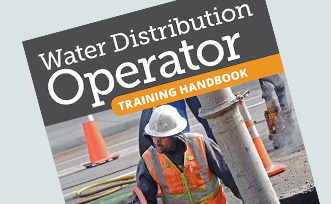
Water Distribution Operator Training Handbook
AWWA’s most popular handbook for distribution operator personnel is an indispensable reference for operators and supervisors alike on water distribution system operation and equipment.
Read More
AWWA Small Systems Field Guide: Water and Wastewater
Operators of small water systems do it all — O&M, management, sampling, customer service, everything. This field guide may be the handiest book ever written for these unsung heroes of public health protection.
Read More
M12 Simplified Procedures for Water Examination
Reliable water quality testing forms the basis for regulatory compliance and ensures the best possible quality drinking water for the community. This manual provide 30 common lab tests for process control in drinking water production.
Read More
Forecasting Urban Water Demand, Second Edition
Practical, detailed approaches for developing accurate water demand forecasts.
Get the Book
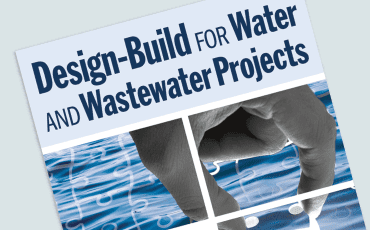
Design-Build for Water and Wastewater Projects
Complete guide to planning, procuring, and executing design-build projects for water and wastewater systems.
Read More
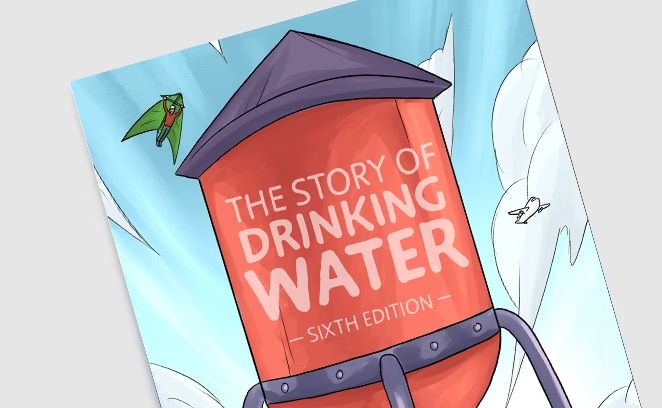
The Story of Drinking Water, Sixth Edition
Kids in grades 4–6 learn about water in this fun, colorful booklet that tells the fascinating story of water and water treatment. An ideal handout for plant tours, school visits, and Drinking Water Week.
Read More
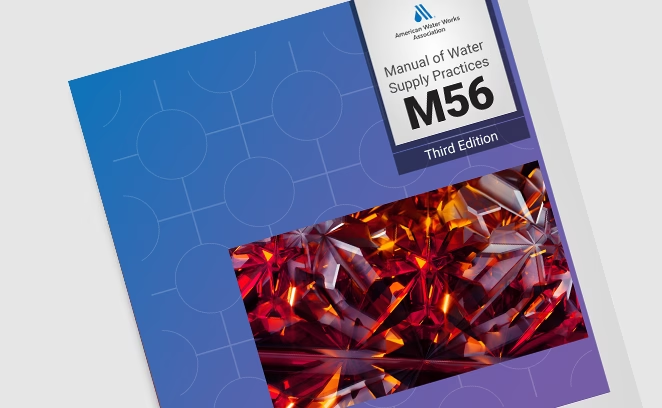
M56 Nitrification Prevention and Control in Drinking Water, Third Edition
This manual offers current and practical approaches to nitrification prevention and response to a nitrification episode in chloraminated drinking water distribution systems.
Read More
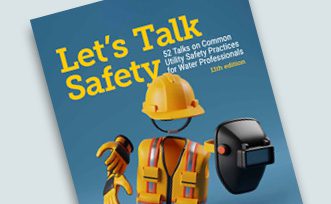
Let’s Talk Safety: 52 Talks on Common Utility Safety Practices for Water Professionals
Let’s Talk Safety is designed to help you build awareness of potential work hazards and provide safety practices that help mitigate those hazards. Talking to your employees about their safety and listening to their safety concerns and experiences are the foundation to building an effective safety culture. Let’s Talk Safety takes the work out of your safety meetings by giving you 52 short briefings tailored specifically for water utility employees, plus links to additional resources.
Buy Now
Reliable, In-Depth Resources
Understand the current state of the water community and work toward a sustainable future state with resources from AWWA. Engineers, operators, utility managers, and other water professionals rely on our resources when they need credible, understandable information.
Whether you are a student just starting your career or a seasoned professional, our interactive tools, insights and programs expand your knowledge and prepare you for what is to come.
Interactive Tools
Learn how to optimize operational performance, inform management decisions, standardize tasks and more with the support of AWWA’s interactive tools.
Learn More
Industry Insights
Explore thought leadership on key issues and opportunities from AWWA’s knowledgeable industry partners and supporters.
Learn More
Programs
Learn about standards, benchmarking, leadership programs, pro-bono engineering consulting opportunities for underserved communities, and the Partnerships for Safe and Clean Water. Optimize your utility, discover growth opportunities and drive an impact with AWWA programs.
Learn More
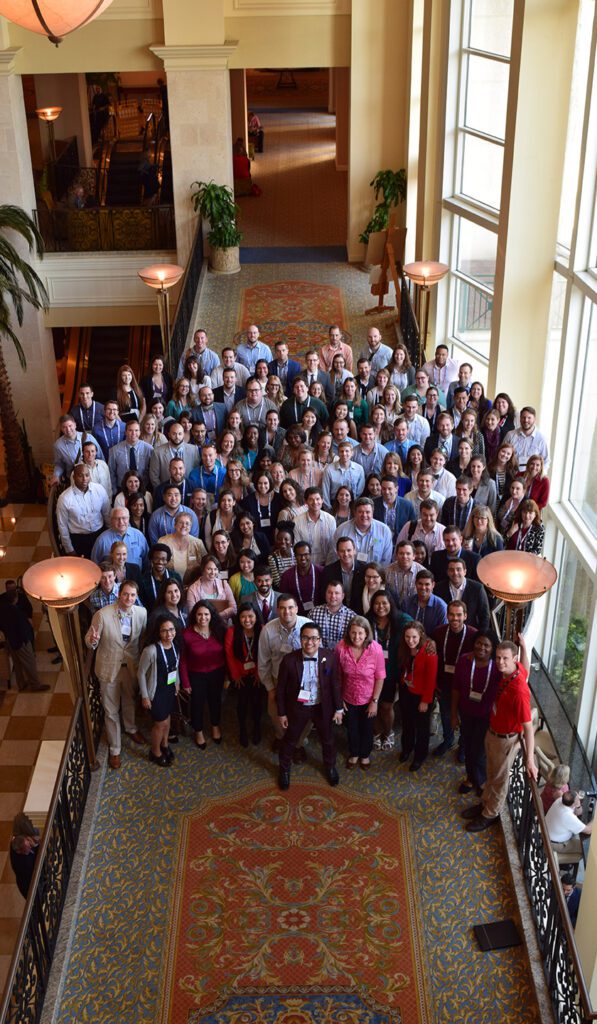
Supporting the Next Generation of Water Professionals
Water Equation is an initiative of AWWA, a 501(c)(3) nonprofit. Our efforts help fund workforce advancement, scholarships, young professionals, pro-bono engineering and consulting services for underserved communities, and leadership programs. Water Equation is committed to fulfilling the critical need to ensure that the water community has the necessary workforce to provide clean and safe water to communities worldwide.
The future of clean and safe water depends on a strong workforce and collaborative partnerships. When you donate to Water Equation, 100% of your contribution funds programs dedicated to the water workforce and closing the improved infrastructure access gap.
Donate Now

Advertisement