Sustainability & Resilience

Overview
The Sustainability and Resilience Strategic Implementation Team (SIT) is dedicated to building a water community that thrives amidst change. We are focused on mitigating risk, promoting sustainable systems, and integrating technology to support a resilient future for water resources.
Cybersecurity
The Challenge:
Water and wastewater systems have been targeted by cyber attacks across the United States. Utilities need to achieve cyber resilience to protect against growing threats and bad actors.
“All water systems should act to examine cybersecurity vulnerabilities and develop a cybersecurity risk management program.”
The Team’s Response:
AWWA is here to help systems of all sizes through the Cybersecurity in the Water Sector Micro-learning and the AWWA Cybersecurity Assessment Tool & Guidance.
- Tailored guidance based on utility cybersecurity maturity:
- Phase 1: Getting Started on Cybersecurity Fundamentals
- Phase 2: Cybersecurity Risk Management Planning
- Phase 3: Cybersecurity Risk Management Plan Implementation
Real-Time Monitoring and Predictive Analytics
Unlocking Predictive Insight, Public Trust, and Operational Resilience
The Challenge:
All areas of water management including wastewater, drinking water and stormwater are beginning to recognize that pathogens, viruses, and microbial shifts demand faster, smarter detection methods—especially in the face of climate volatility, aging infrastructure, and increasing potable reuse.
“Real-time biological monitoring isn’t a luxury—it’s a necessity for resilient, transparent, and future-ready water systems.”
The Team’s Response:
To embrace real-time biological monitoring, utilities must:
- Invest in digital platforms that integrate biological data
- Pilot emerging sensor technologies with academic and vendor partners
- Train operators in data interpretation and response
- Advocate for regulatory evolution to support real-time compliance

Water 2050: Sustainability & Resilience
The envisioned world of 2050 will include:
- Total utility management and collaboration with water users to create greater economies of scale and higher efficiency.
- Technically advanced systems and a tech-savvy workforce that can respond to challenges quickly (even instantaneously) and effectively.
- A proactive mindset within the water industry that allows us to recognize and address ever-changing needs and requirements.
- Protection of water at the source.
Recommended Actions
The short-term recommended actions for the Sustainability & Resilience Strategic Priority include:
- Establish a water community in which cyber risks are proactively and uniformly addressed.
- Define a “net zero” water community, integrate climate impact and resiliency into financial modeling, and reduce the water community’s climate change impact through adaptive management.
- Apply real-time monitoring and predictive analytics to support resilient resources.
Sustainability for the Future of Water
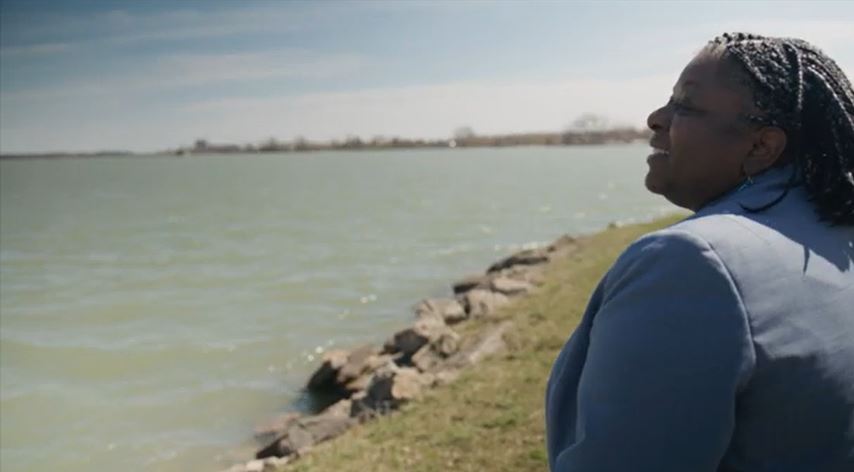
Water sustainability: By taking action today, we can ensure that everyone will have clean, safe, and reliable access to drinking water and wastewater services by 2050 and beyond.
See All Water 2050 Videos
Advertisement
Water 2050 Think Tank Reports
Sustainability Think Tank
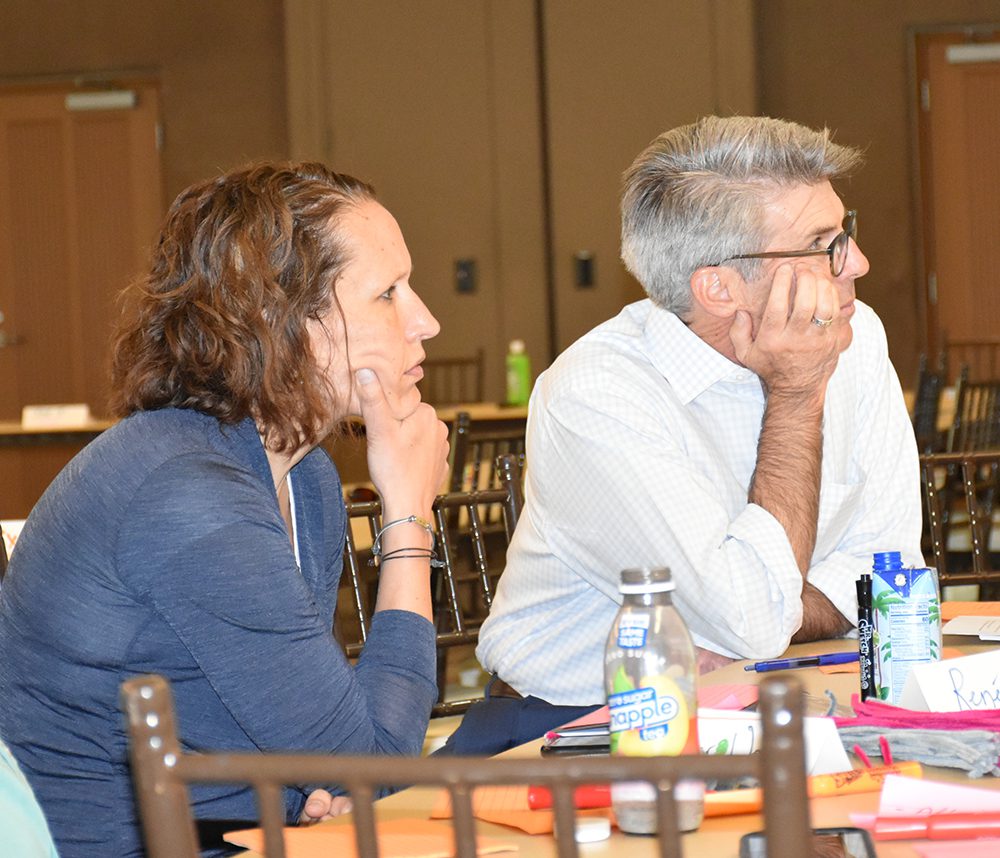
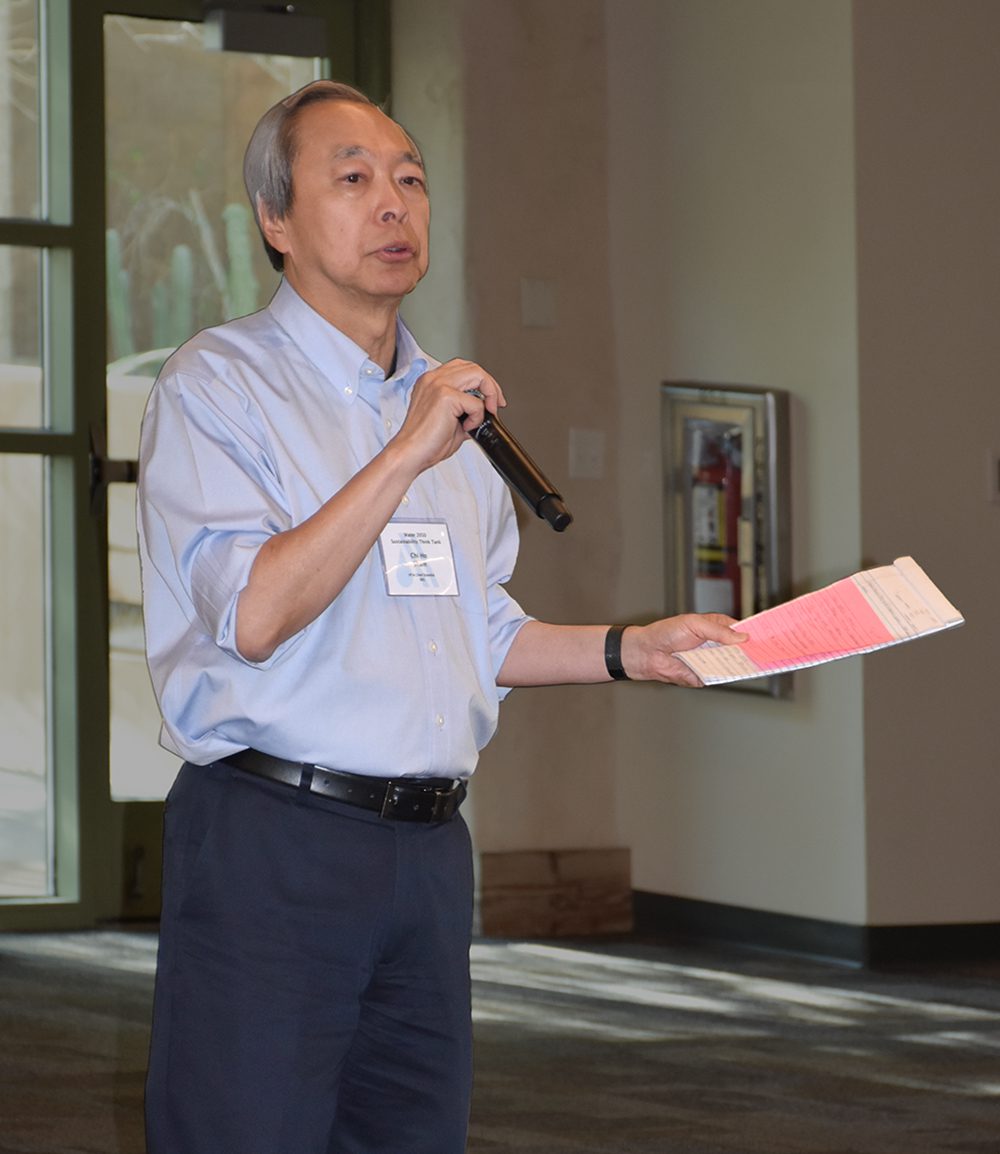
The first of the think tanks convened in September 2022 and focused on sustainability. Participants engaged in facilitated small and large group conversations, private reflection and panel discussions to imagine the future of water and develop a set of recommended actions. The group included highly respected voices from the water and wastewater utility and consulting community, academia, regulatory agencies and the beverage industry, as well as those with interests in agriculture, climate science, environmental advocacy, and innovation incubators, among others.

Sustainability Think Tank:
Springs Preserve, Las Vegas, Nevada, September 2022
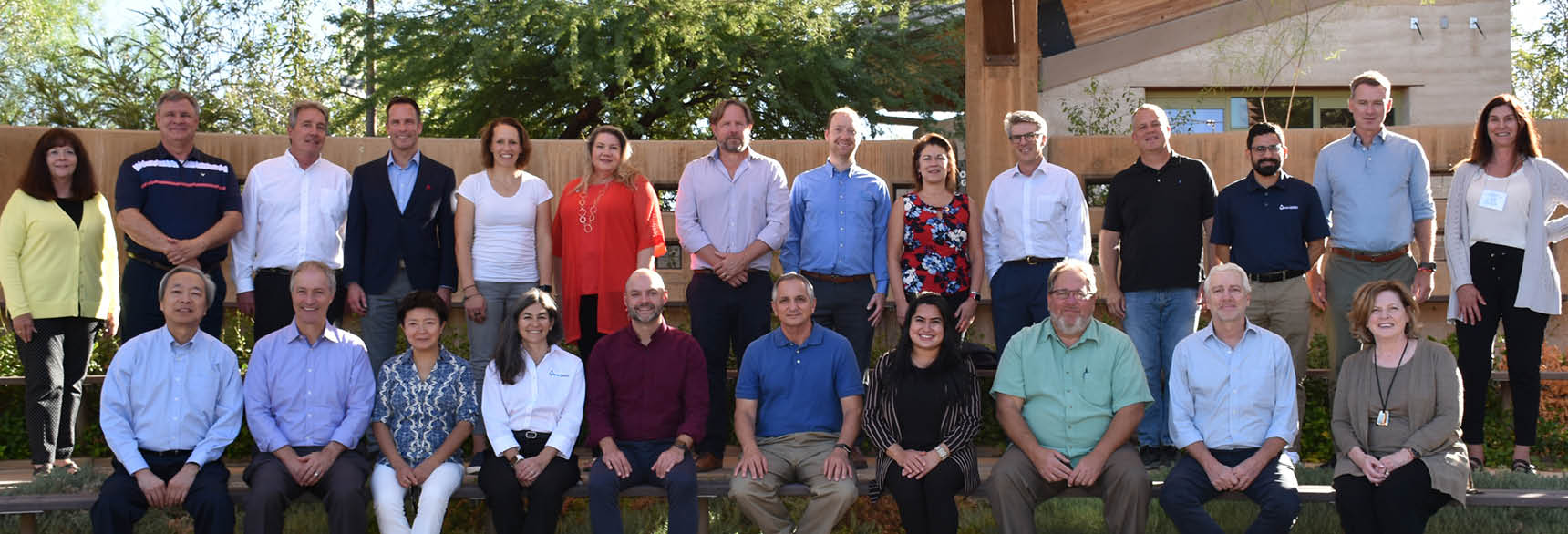
Participants

Adam Carpenter, Ph.D.
Manager of Energy and Environmental Policy, AWWA

Ed Carr
Professor and Director International Development, Community and Environment Department Clark University

Heather Collins
Water Treatment Director Metropolitan Water District of Southern California

Peter Fiske, Ph.D.
Executive Director National Alliance for Water Innovation and Water-Energy Resilience Research Institute at Lawrence Berkeley National

Paul Fleming
President Water Value LLC

Thomas Iseman
Director of Water Scarcity and Markets Global Freshwater Program The Nature Conservancy
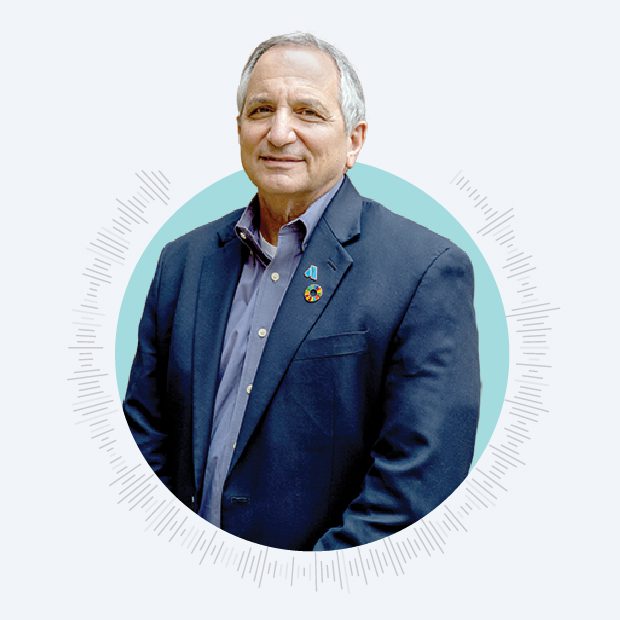
Joe Jacangelo, Ph.D.
Vice President Director of Research Stantec

David L. Johnson
Deputy General Manager, Operations Las Vegas Valley Water District Southern Nevada Water Authority

Anthony Kane
President & CEO Institute for Sustainable Infrastructure

David LaFrance
CEO AWWA

Angela Licata-Misiak
Deputy Commissioner for Sustainability New York City Department of Environmental Protection

Cissy Ma, Ph.D.
Environmental Engineer U.S. Environmental Protection Agency

Paula MacIlwaine
Deputy CEO AWWA

Barb Martin
Director of Engineering and Technical Services AWWA

Sue McCormick
CEO 4Leaders, LLC

Daniel Nix
Utility Operations Manager City of Wichita Falls

Jon Radtke
Water Sustainability Program Director Coca-Cola North America

Guillermo Rivera
Environmental Engineer Miami-Dade County Division of Environmental Resources Management

Chi Ho Sham, Ph.D.
Past President, AWWA Independent Consultant

Negin Tousi
Project Manager David Nairne and Associates

Cindy Wallis-Lage
Executive Director of Sustainability & Resilience Black & Veatch

Robin Webb, Ph.D.
Director National Oceanic and Atmospheric Administration (NOAA) Physical Sciences Laboratory

Renée Willette
Vice President, Programs and Strategy U.S. Water Alliance

Roger R. Wolf
Co-Director Iowa Soybean Association – Research Center for Farming Innovation
Advertisement