Equity, Access & Community Engagement

Overview
The Equity, Access, and Community Engagement Strategic Implementation Team (SIT) is dedicated to strengthening public trust in water services. We’re achieving this by deepening our understanding of community water needs and fostering a culture where everyone feels connected to and shares responsibility for our water future. This involves promoting community education and engagement, as well as building a diverse and resilient water workforce.
Community Engagement
We’re assessing current consumer water knowledge and sentiment, as well as utility communications efforts to identify gaps and opportunities. We’re also collaborating with experts outside of AWWA to develop effective water messaging and promote community engagement in water issues.
Public Trust & Engagement
The Challenge:
- Communication capacity is often limited and influenced by utility size
- Capacity constraints, complexity, authority, and public engagement hinder effective communication
“Our mission is to deepen our understanding of communities’ water needs and strengthen public trust in water services providers through education, community engagement in water policy, and creating a culture where everyone has a personal connection to – and shared responsibility for – our water future.”
The Team’s Response:
Utilities facing communication demands need support designed for real-world constraints, thereby reducing risk, increasing efficiency and capacity, and building community trust around water value and rate decisions.
Water Workforce Development
Workforce 2050
The Challenge:
- Aging workforce and lack of succession planning
- Low visibility of water careers, especially to diverse communities
- Fragmented workforce pipelines
- Misalignment between education/training programs and evolving field needs
- Rigid HR structures
The Team’s Response:
- Rebrand Water Careers
- Rebuild the Talent Pipeline
- Redesign Work Environments
- Reskill and Retain
- Realign Policy and Funding
HR Network
The Challenge:
HR professionals within the water sector are in need of community as they often operate in isolation—embedded in utilities, consulting firms, government agencies, and service providers.
The Team’s Response:
- Connect: Build a professional network of HR and workforce development leaders
- Learn: Share emerging practices in hiring, onboarding, DEI, succession planning, and organizational development
- Create: Co-develop practical workforce tools
- Elevate: Promote the water sector as a high-impact, purpose-driven career path
- Align: Work closely with leaders to integrate sector-specific needs into broader workforce efforts

Water 2050: Equity, Access & Community Engagement
The envisioned world of 2050 will include:
- A community-centered approach to water management that recognizes the needs of all constituents.
- Positive water habits driven by individuals’ “personal” connection to water.
- Cultural and social change that demands that access to water is viewed in the broader context of poverty and ensures more equitable access within and across communities.
- Public service employees who view their jobs as a higher calling, providing water for all.
- Partnerships with public, private and philanthropic partners, as well as government at all levels, to advance equitable water services.
Recommended Actions
The short-term recommended actions for the Equity, Access & Community Engagement Strategic Priority include:
- Deepen our understanding of communities’ water needs and strengthen public trust in water services providers through education, community engagement in water policy, and creating a culture where everyone has a personal connection to – and shared responsibility for – our water future.
- Attract, develop, and sustain a skilled, technologically savvy water workforce that is engaged and reflects the diversity of the communities they serve.
Resources

Social/Demographics Issues
Equity of access to clean, safe, reliable drinking water and sanitation in 2050 and beyond demands planning that values diversity, inclusion, and public engagement.
See All Water 2050 Videos
Advertisement
Water 2050 Think Tank Reports
Social/Demographics Think Tank:
A diverse group of influential thinkers from within and outside the water community developed nine proactive recommendations considering key social and demographic shifts and their impact on the future of water in the fifth think tank report of the Water 2050 initiative.
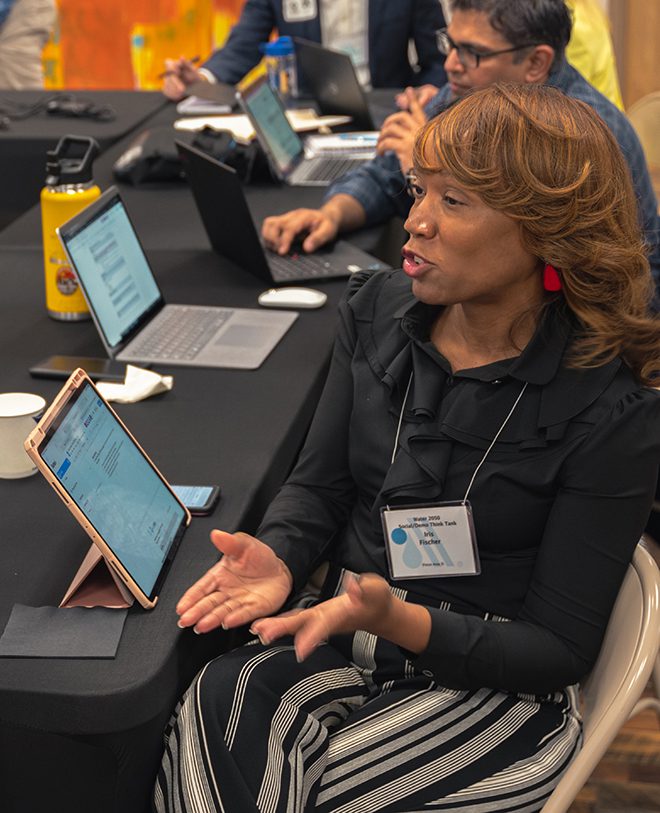
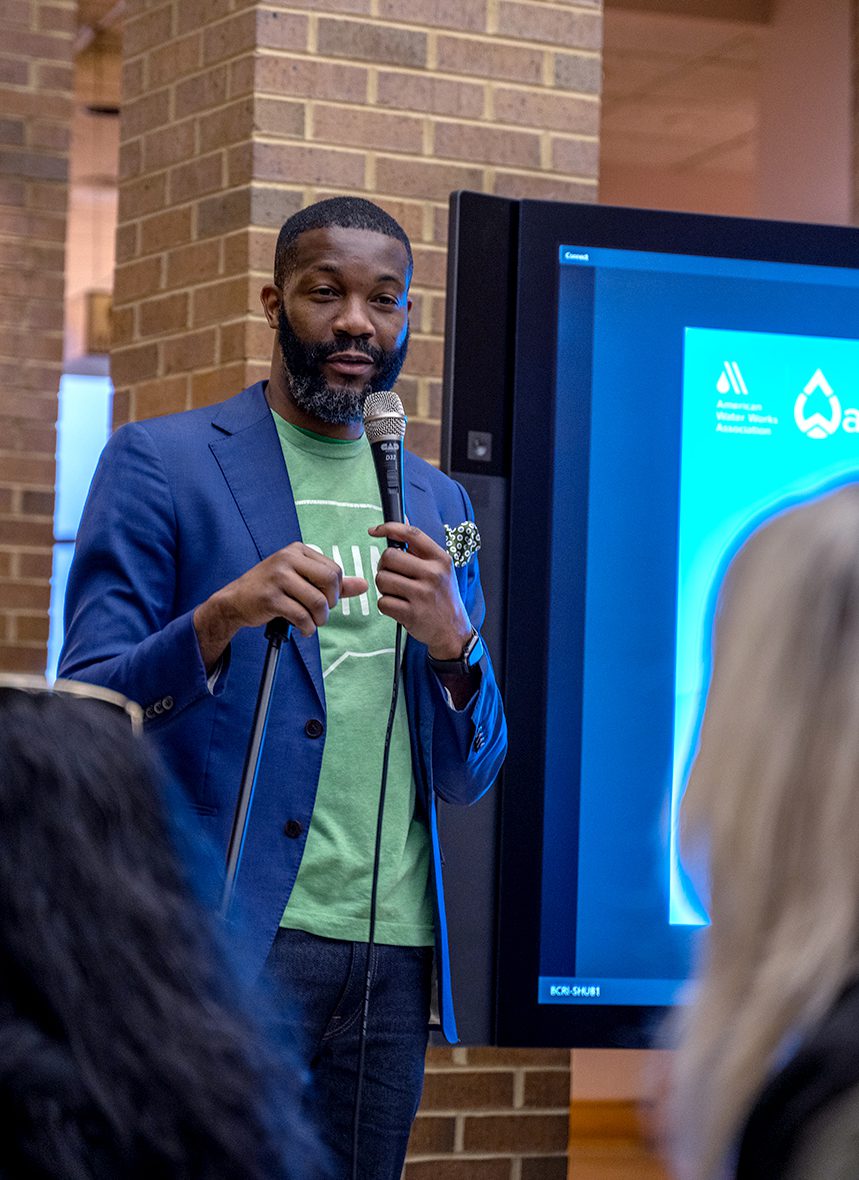
The 27 participants in the Water 2050 Social Demographics Think Tank, which took place April 26-28, at the Birmingham Civil Rights Institute in Birmingham, Alabama, included highly respected voices from the water and wastewater utility community, international development agencies, academics, demographers, cultural anthropologists, consulting and manufacturing firms and CEOs. The group engaged in a series of facilitated discussions and developed recommended actions that can be grouped into three broad categories:

A diverse group of influential thinkers from within and outside the water community developed nine proactive recommendations considering key social and demographic shifts and their impact on the future of water in the fifth think tank report of the Water 2050 initiative.
The 27 participants in the Water 2050 Social Demographics Think Tank, which took place April 26-28, at the Birmingham Civil Rights Institute in Birmingham, Alabama, included highly respected voices from the water and wastewater utility community, international development agencies, academics, demographers, cultural anthropologists, consulting and manufacturing firms and CEOs. The group engaged in a series of facilitated discussions and developed recommended actions that can be grouped into three broad categories:
Recommended Actions
Participants emerged with 10 recommended actions encompassing four broad categories:
- Community-centric water management approach
- Sustainable services through collaboration
- Innovative solutions for equitable water
Participants

Susan Ancel P.Eng, FCSSE
Director, One Water Planning EPCOR Water Services, Inc.

Adam Carpenter, Ph.D.
Manager of Energy and Environmental Policy, AWWA

Tom Dobbins
Chief Executive Officer Association of Metropolitan Water Agencies (AMWA)

Pooja Chari
Project Engineer Woodard & Curran
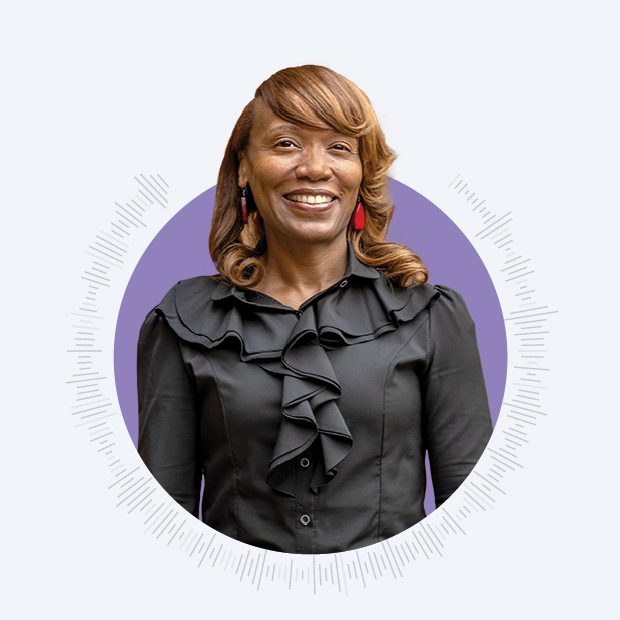
Iris Fisher
Chief Financial Officer The Water Works Board of the City of Birmingham, Alabama

Jim Holway, Ph.D.
Director Babbitt Center for Land and Water Policy
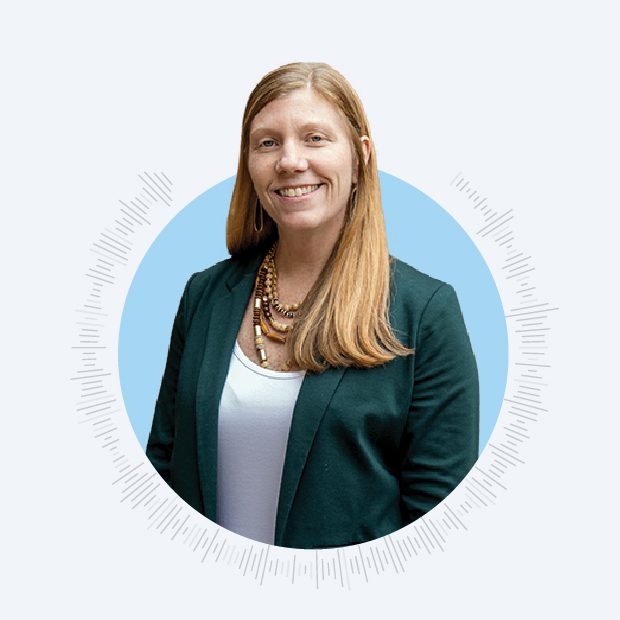
Briana Huber
Director of Water Filtration City of East Molin
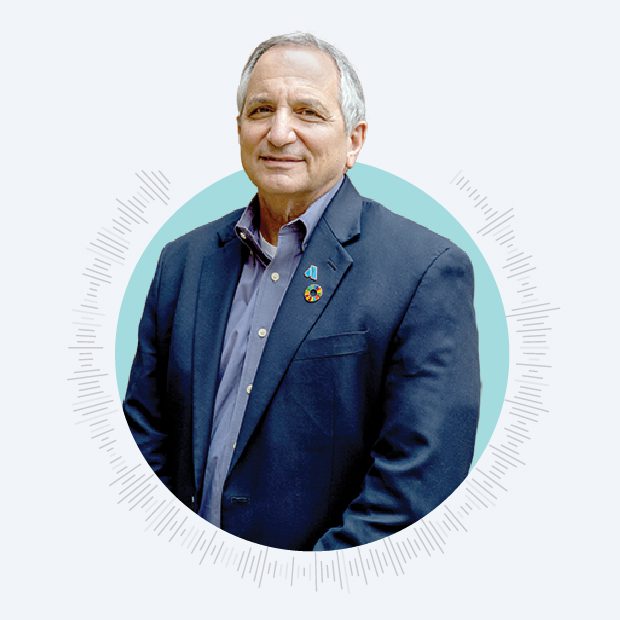
Joe Jacangelo, Ph.D.
Vice President Director of Research Stantec
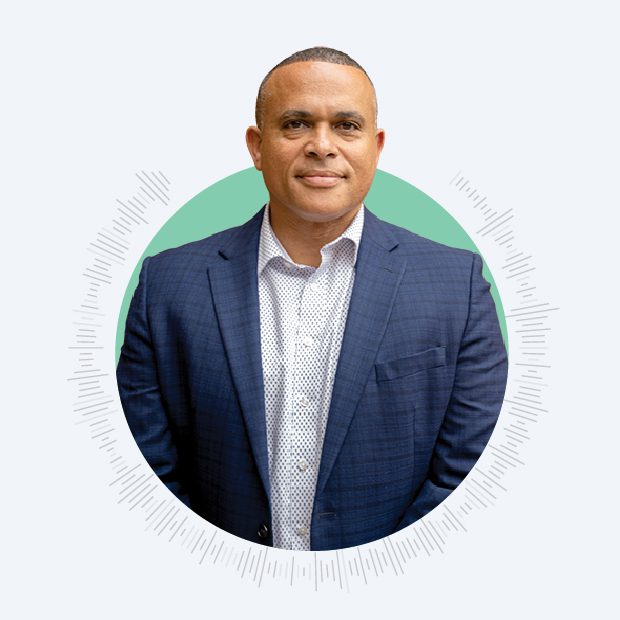
Chris Jarrett
Director, Sales American Cast Iron Pipe Company (ACIPCO)
Michael Johnson
General Manager The Water Works Board of the City of Birmingham, Alabama
Amanda Jones
Project Manager Tucson Water
Patrick Kerr
Chair Of The Board Of Directors, CEO and President Baton Rouge Water Company
Nilaksh Kothari, P.E.
CEO Preferred Consulting
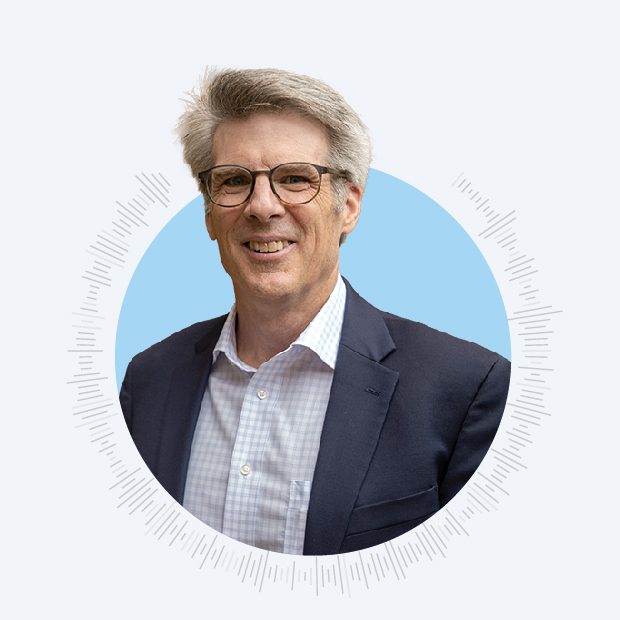
David LaFrance
CEO AWWA
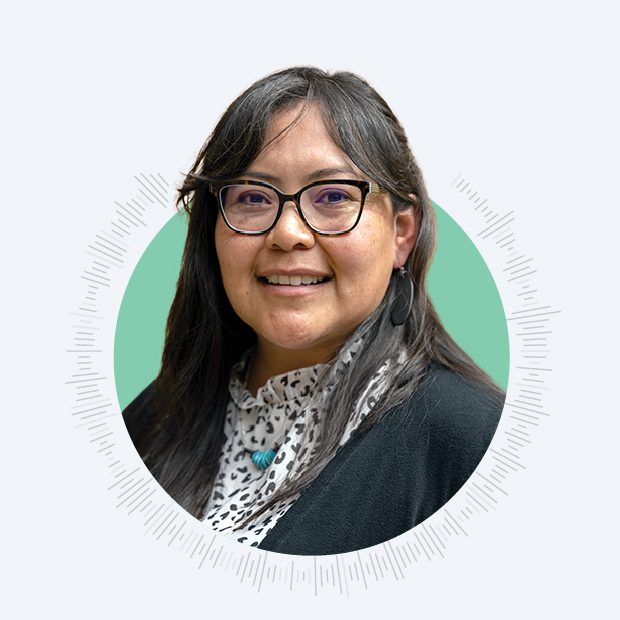
Rochelle Larson, P.E.
Principal Engineer – Planning & Engineering Division Albuquerque Bernalillo County Water Utility Authority

Barb Martin
Director of Engineering and Technical Services AWWA
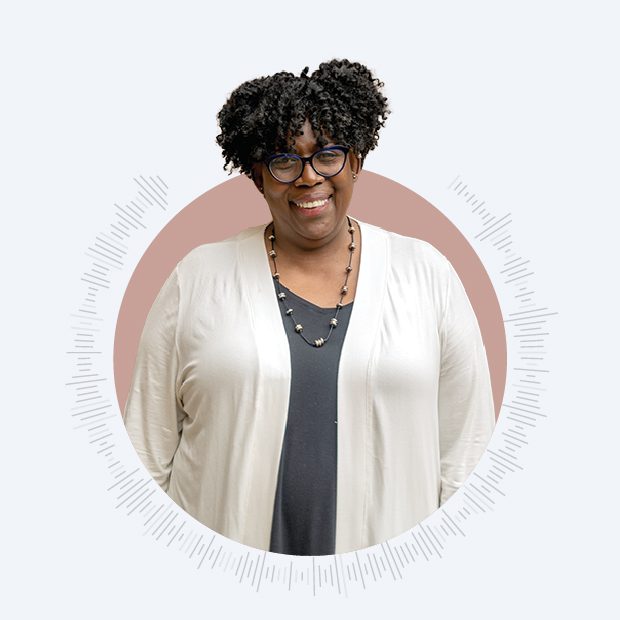
Trina McGuire-Collier
Principal Strategic Communications Advisor HDR INC

Margaret Medellin
Deputy Manager – Department of Transportation and Infrastructure City and County of Denver
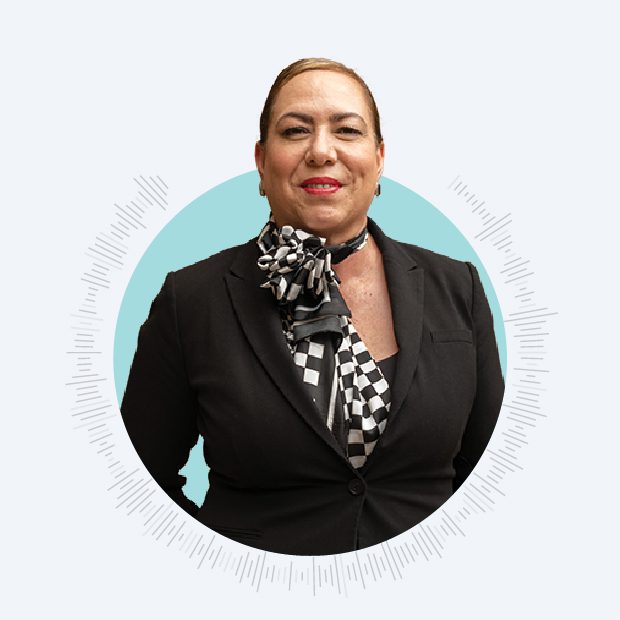
Olga Morales-Pate
Chief Executive Officer Rural Community Assistance Partnership Incorporated (RCAP)
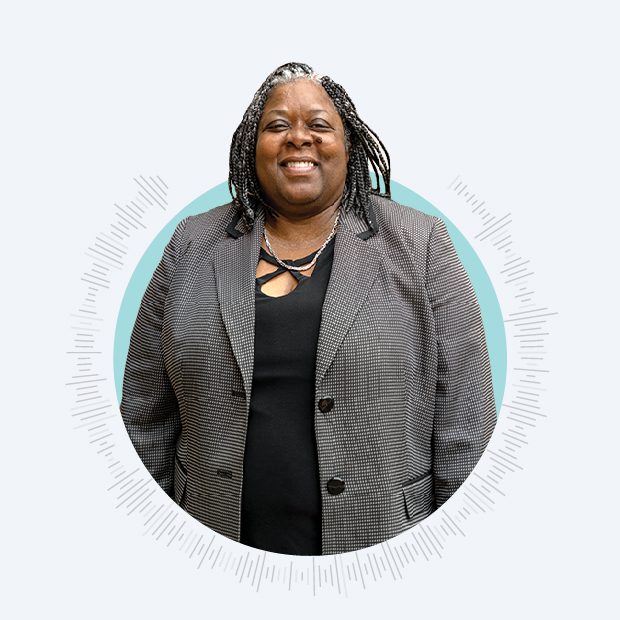
Cheryl Porter
Chief Operating Officer Great Lakes Water Authority

Lucero Radonic
Associate Professor Northern Arizona University, Anthropology Department

Pete Rogerson, Ph.D.
Professor of Geography and Biostatistics University at Buffalo
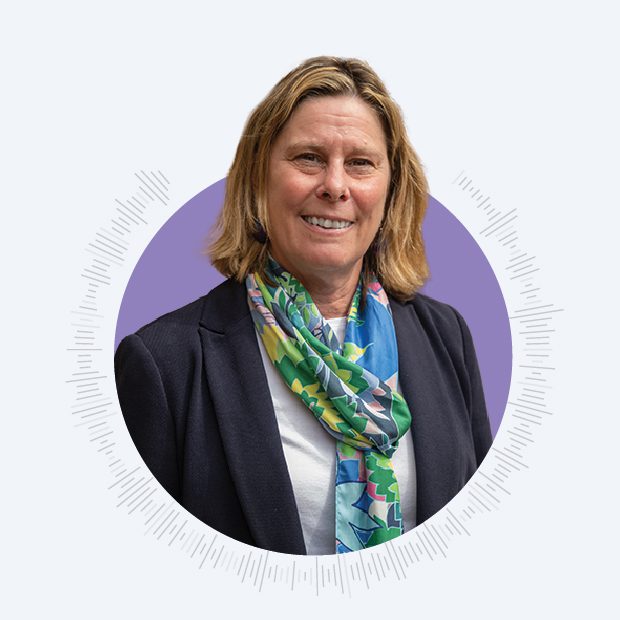
Jennifer Sara
Global Director, Climate Change Group World Bank Group

Sagar Shah, Ph.D., AICP
Manager, Research and Strategic Initiatives American Planning Association
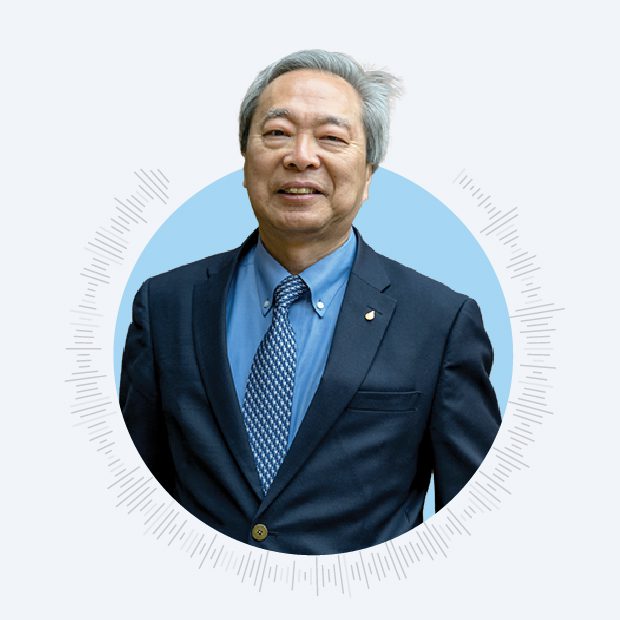
Chi Ho Sham, Ph.D.
Past President, AWWA Independent Consultant
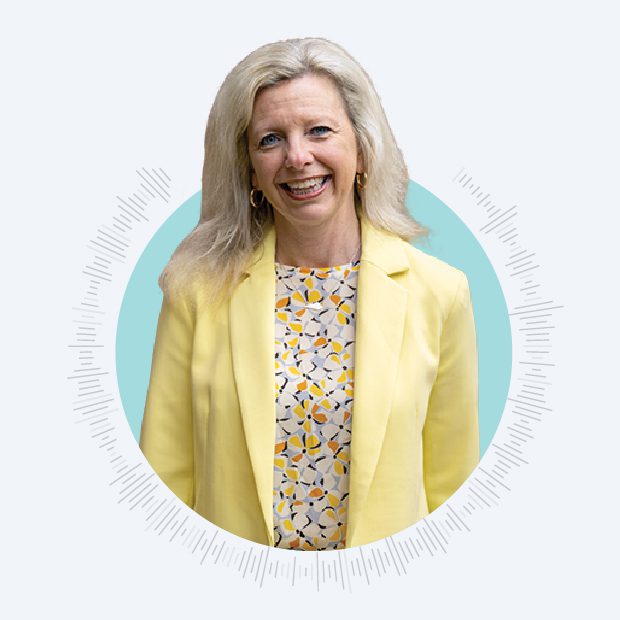
Kelley Dearing Smith
Vice President of Communications and Marketing Louisville Water Company
Michelle Stockness ENV SP, P.E.
Vice President Barr Engineering Co.