Volunteer
Looking to give back to the water community? Explore AWWA volunteer opportunities to share your expertise, make an impact, and grow your career.
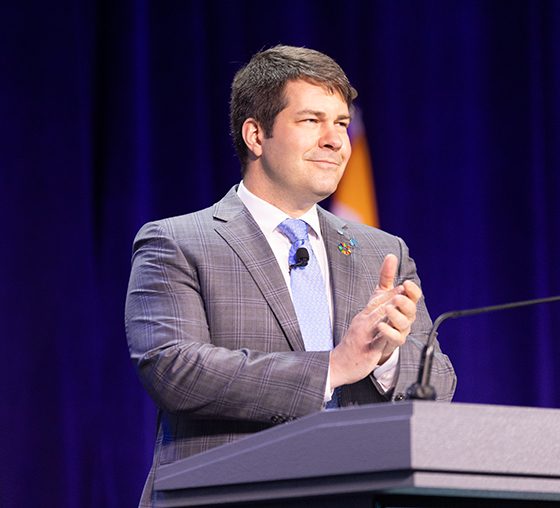

Volunteer with the American Water Works Association
Volunteering with AWWA takes many forms but always supports fulfilling our mission of protecting water — the world’s most vital resource. Discover opportunities for rewarding professional experience that match your interests, benefit public health, and can help shape public policy. Together, we are building a better water future.
With more than 250 committees and 4,500 volunteers, AWWA has something for everyone. We will help match you to opportunities that will help enhance your career, give back to your community, and achieve your aspirations, including Standards Committees, Technical and Educational Committees, leadership/mentorship programs, technical consulting, and more.
Explore Volunteer Opportunities
Standards Committees
Technical & Educational Committees
Leadership Opportunities
Standards Committees welcome volunteers from many areas across the water community, including service providers, utilities, and management interest.
AWWA Standards offer minimum requirement guidelines on all facets of water. Join a dedicated volunteer network of nearly 1,600 subject matter expert volunteers who support the creation and revisions of AWWA Standards. With 72 committees across all areas of water, there is a fit for everyone. The volunteer consensus process is a crucial part of AWWA Standards development and needs your expertise.
Asset Management
Backflow/Cross Connection
Climate Change
Conservation/Efficiency
Customer Service
Desalination
Design/Construction
Distribution/Plant Ops
Drought
Emer. Preparedness/Security
Groundwater
Innovation Initiative
Membrane Treatment
Public Health
Reuse
SCADA/GIS
Small Systems
Stormwater
Training/Career Development
Utility Management
Wastewater
Water Loss
Water Resource/Planning
Water Quality/Treatment
Workforce Strategies
Business Practices for Operations & Management
Pipe Rehabilitation
Wells
Backflow Preventers
Distribution Systems
Fire Hydrants
Reclaimed Water
Source Water Protection (SC)
Water Conservation Practices
Wells
Distribution Systems
Water Conservation Practices
Water Meters
Communications & Customer Relations Program
Reclaimed Water
Water Meters
Membranes
A21 Ductile-Iron Pipe & Fittings
Concrete Pressure Pipe
Composite Elevated Welded Tanks
Membranes
Polyolefin Pressure Pipe & Fittings
PVC Pressure Pipe & Fittings
Steel and Composite Water Storage Tanks
Steel Pipe
Thermosetting FRP Pipe
Wells
Water Treatment Plants
A21 Ductile-Iron Pipe & Fittings
Air Valves
Asbestos-Cement Pressure Pipe
Backflow Preventers
Ball Valves
Business Practices for Operation & Management
Butterfly Valves
Composite Elevated Welded Tanks
Concrete Pressure Pipe
Concrete Water Tanks, Conventionally Reinforced
Concrete Water Tanks, Tendon Type-Prestressed
Concrete Water Tanks, Wire-Wound Prestressed
Disinfection of Facilities
Distribution Systems
Eccentric Plug Valves
Fire Hydrants
Flexible Reservoir Covers and Linings
Concrete Water Tanks, Tendon Type-Prestressed
Disinfection of Facilities
Distribution Systems
Eccentric Plug Valves
Fire Hydrants
Flexible Reservoir Covers and Linings
Gasket Materials for Water Works Service
Gate Valves and Swing Check Valves
Grooved and Shouldered Joints
Horizontal & Vertical Line Shaft Pumps
Knife Gate Valves
Online Monitoring
Pipe Rehabilitation
Plastic Valve
Polyolefin Pressure Pipe and Fittings
Power Actuating Devices for Valves/Slide Gates
Protective Interior Coatings for Valves & Hydrant
PVC Pressure Pipe and Fittings
Rate Type Flowmeters
Regulating Valves
Scale & Corrosion Control Chemicals
Security Practices for O & M
Slide Gates
Stainless Steel Pipe
Steel Elev. Tanks, Standpipes & Reservoirs
Steel Pipe
Submersible Vertical Turbine Pumps
Thermosetting FRP Pipe
Thermosetting FRP Tanks
Wastewater – Biosolids
Wastewater – Collection Systems
Wastewater – Pretreatment
Wastewater Treatment Plant Operations
Water Meters
Water Service Line Fittings
Water Treatment Plants
Emergency Preparedness Practices
Reclaimed Water
Source Water Protection (SC)
Water Conservation Practices
Wells
ISO TC 224, US Technical Advisory Group
Emergency Preparedness Practices
Security Practices for O&M
Risk & Resilience Management
Horizontal & Vertical Line Shaft Pumps
Submersible Vertical Turbine Pumps
Wells
Source Water Protection
Membranes
Disinfectants
Fluorides
Activated Carbon, Powdered & Granular
Membrane Systems
UV Disinfection
Reclaimed Water
Online Monitoring
Disinfection of Facilities
Distribution Systems
Opflow Editorial Advisory Board
Utility Management System
Wells
A21 Ductile-Iron Pipe & Fittings
Concrete Pressure Pipe
Emergency Preparedness Practices
Pipe Rehabilitation
Polyolefin Pressure Pipe & Fittings
PVC Pressure Pipe and Fittings
Pwr Actuating Devices for Valves/Slide Gates
Risk & Resilience Management
Stormwater Utility Management
Security Practices for O&M
Slide Gates
Steel Pipe
Thermosetting FRP Pipe
Business Practices for O&M
Communications & Customer Relations Program
Utility Management System
Business Practices for Operations & Management
Communications and Customer Relations Program
Distribution Systems
Emergency Preparedness Practices
ISO TC 224, US Technical Advisory Group
Reclaimed Water
Security Practices for O&M
Source Water Protection
Utility Management System
Wastewater Treatment Plant Operation
Wastewater – Collection Systems
Wastewater – Pretreatment
Wastewater – Biosolids
Water Conservation Practices
Water Treatment Plant
A21 Ductile-Iron Pipe & Fittings
Cloth Media/Disc Filters
Concrete Pressure Pipe
Emergency Preparedness Practices
Gasket Materials for Water Works Service
Grit Removal and Handling
Mechanical Screen Handling
Pipe Rehabilitation
PVC Pressure Pipe and Fittings
Pwr Actuating Devices for Valves/Slide Gates
Risk & Resilience Management
Security Practices for O&M
Slide Gates
Thermosetting FRP Pipe
Wastewater – Biosolids
Wastewater – Collection Systems O & M
Wastewater – Pretreatment
Wastewater Treatment Plant Operation
A21 Ductile-Iron Pipe & Fittings
Concrete Pressure Pipe
Polyolefin Pressure Pipe & Fittings
PVC Pressure Pipe and Fittings
Steel Pipe
Thermosetting FRP Pipe
Water Conservation Practices
Water Conservation Practices
Water Meters
Reclaimed Water
Water Conservation Practices
Wells
Utility Management System
Activated Carbon, Powdered & Granular
Carbon Dioxide
Disinfectants
Distribution Systems
Fiberglass Weirs, Troughs and Baffles
Filtering Materials
Fluorides
Ion Exchange
Iron/Aluminum Salts/Related Coagulant Aids
Membranes
Online Monitoring
Oxygen for Ozone Generation
Polyelectrolytes
Scale & Corrosion Control Chemicals
Softening & Conditioning Chemicals
Source Water Protection
Submersible Vertical Turbine Pumps
Taste and Odor Control Chemicals
UV Disinfection
Water Treatment Plants
Business Practices for O & M
Communications & Customer Relations Programs
Utility Management System
Anyone is welcome to apply for TEC Committee volunteer work. We encourage you to apply to join both a committee you have related experience in and a committee on a topic you’d like to learn more about.
There are eight Technical and Educational Council Divisions that range from management to water conservation, water science, and beyond. Volunteers in these areas are crucial to help develop educational opportunities and inform the future of water.
Asset Management
Backflow/Cross Connection
Climate Change
Conservation/Efficiency
Customer Service
Desalination
Design/Construction
Distribution/Plant Ops
Drought
Emer. Preparedness/Security
Groundwater
Innovation Initiative
Laboratory
Membrane Technology
Public Health
Reuse
SCADA/GIS
Small Systems
Stormwater
Training/Career Development
Utility Management
Wastewater
Water Loss
Water Research
Water Resource/Planning
Water Quality/Treatment
Workforce Strategies
Asset Management
Sustainable Infrastructure
Fire Protection
Climate Change
Water Efficiency Programs & Technology
Water Resources Planning & Management
Communications, Education & Legislation
Planning, Evaluation & Research
Water Efficiency Programs & Technology
Water Loss Control
Customer Service
Membrane Processes & Research
Membrane Systems
Water Desalting
Water Reuse
Digital Twins
Engineering Modeling Applications
Operational Technology
Water Treatment Facilities Design & Construction
Capital Projects Delivery
Cross Connection Control
Customer Metering Practices
Distribution Operations & Maintenance
Distribution System Water Quality
Energy Management
Engineering Modeling Applications
Fire Protection
Health, Safety & Environment
Information Management & Technology Research
Operator Involvement
Small Systems Education & Technical Review
Sustainable Infrastructure
Treatment Plant Operations & Maintenance
Water Loss Control
Water Main Rehabilitation
Energy Management
Communication, Education & Legislation
Planning, Evaluation & Research
Water Efficiency Programs & Technology
Water Resources Planning & Management
Emergency Preparedness & Security
Groundwater Resource
Aesthetic Quality & Perception
Real-time Water Quality Monitoring
Water Quality Laboratory
Membrane Processes & Research
Water Desalting
Water Reuse
Membrane Systems
Asset Management
Cross Connection Control
Distribution Operations & Maintenance
Emergency Preparedness & Security
Health, Safety & Environment
Treatment Plant Operations & Maintenance
Water Resources Planning & Management
Membrane Processes & Research
Membrane Systems
Water Reuse
Digital Twins
Information Management & Technology Research
Operational Technology
Asset Management
Cross Connection Control
Customer Metering Practices
Customer Service
Distribution Operations & Maintenance
Emergency Preparedness & Security
Energy Management
Finance, Accounting & Management Controls
Fire Protection
Health, Safety & Environment
Lead and Copper
Rates & Charges
Small Systems Education & Technical Review
Small Systems Outreach Services
Strategic Management Practices
Sustainable Infrastructure
Treatment Plant Operations & Maintenance
Water Loss Control
Water Main Rehabilitation
Workforce Strategies
Asset Management
Source Water Protection (WRSD & WQTD)
Emergency Preparedness & Security
Health, Safety & Environment
Small Systems Education & Technical Review
Small Systems Outreach Services
AWWA/WEF Veterans Initiative
Finance, Accounting & Management Controls
Rates & Charges
Strategic Management Practices
Utility Benchmarking Advisory
Utility Quality Management
Workforce Strategies
Water Resources Planning & Management
Asset Management
Communication, Education & Legislation
Customer Metering Practices
Distribution Operations & Maintenance
Planning, Evaluation & Research
Water Loss Control
Water Main Rehabilitation
Aesthetic Quality & Perception
Information Management & Technology Research
Inorganic Contaminants Research
Manganese
Membrane Technology Research
Microbiological Contaminants Research
Residuals Management & Treatment
University Student Activities
Climate Change
Source Water Protection (WRSD & WQTD)
Water Resources Planning & Management
Aesthetic Quality & Perception
Biological Treatment
Climate Change
Coagulation & Filtration
Corrosion Control
Disinfection
Distribution System Water Quality
Emerging Water Quality Issues
Engineering Modeling Applications
Inorganic Contaminants Research
Inorganics
Lead and Copper
Membrane Processes & Research
Manganese
Microbiological Contaminants Research
Organic Contaminants
Organisms in Water
Premise Plumbing
Real-time Water Quality Monitoring
Residuals Management & Treatment
Treatment Plant Operations & Maintenance
Water Desalting
Water Quality Laboratory
Water Reuse
Water Treatment Facilities Design & Construction
AWWA/WEF Veterans Initiative
Finance, Accounting & Management Controls
Small Systems Outreach Services
Strategic Management Practices
Workforce Strategies
AWWA Councils, Standing Committees, and Divisions have membership openings each year. These leadership positions are by appointment and past AWWA volunteer experience may be required.
Volunteering is a great way to gain experience as a leader and grow professionally. Leadership opportunities can include chairing a committee, joining a council, or even serving on the AWWA Board of Directors or Executive Committee. Are you the next AWWA President? Start your journey by volunteering today.
Board of Directors
Executive Committee
Board Committees
Standing Committees
International Council
Manufacturers/Associates Council
Public Affairs Council
Standards Council
Technical & Educational Council
Technical & Educational Council – Divisions
Water Utility Council
Ad Hoc Committees/Task Force Committees
Award Committees
Sections
Young Professionals
Diversity & Member Inclusion Committee

Advertisement
Leadership Openings
There are currently no open applications for leadership positions. Please contact Heather Santos at hsantos@awwa.org if you are interested in being notified about the next time applications are open.
More Ways to Share Your Expertise
AWWA has multiple opportunities to volunteer beyond committees and councils. Make an impact in the water community through writing, presenting, and more.



Write an Article for a Publication
Share your insights and research with the water community and make a concrete difference by helping to develop or update an AWWA Standard or manual of practice. If you have a big concept, turn your technical expertise into a handbook. Or, submit an article to an AWWA journal or magazine. Our award-winning publications, Journal AWWA, Opflow, and AWWA Water Science, are distributed throughout the year to over 50,000 members who rely on them for regulatory updates, technical information, and new research. AWWA is always looking for new authors to share the latest in industry research and thought leadership from their community.
Learn More
Present at Events
Submit an abstract and present at a conference or seminar. AWWA events cover a wide variety of topics, and our Annual Conference & Exposition (ACE) accepts hundreds of abstracts each year to be at the forefront of knowledge in the water industry. Position yourself, your insights, and your community as industry leadership, all while expanding your connections to the broader AWWA community.
Learn More
Leadership & Mentorship Programs
Volunteer as a mentor and help shape the future of the water workforce through AWWA’s leadership and mentorship programs. The Transformative Water Leadership Academy is a 10-month program that addresses leadership for drinking water, wastewater, stormwater management, and water reuse. AWWA’s Mentorship Program for students and young professionals matches rising water professionals with mentors to guide them on their path in their budding careers. Your knowledge is an invaluable asset to the AWWA community, and these programs showcase what we can achieve if we help each other succeed.
Learn More
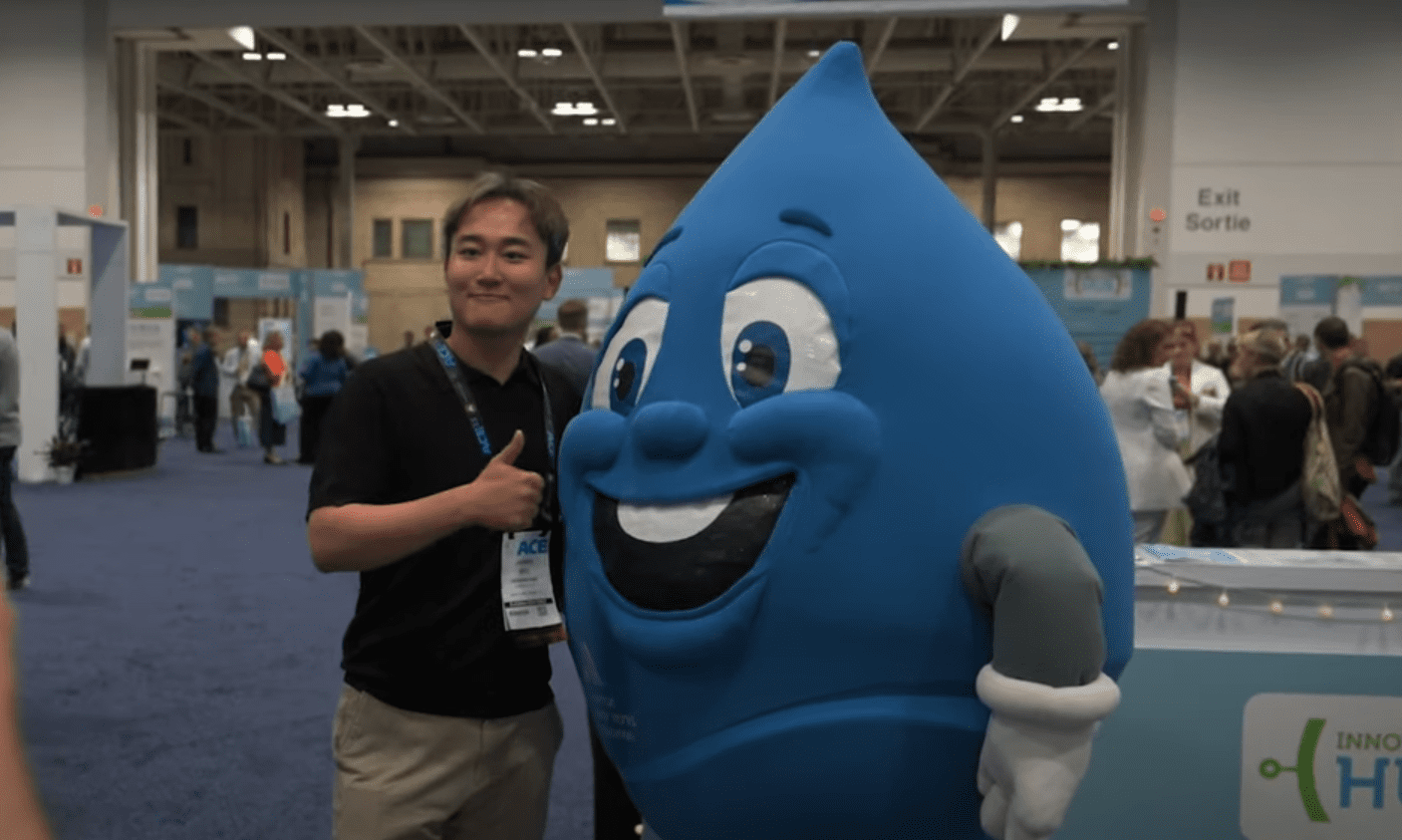
Thank You AWWA Volunteers!
AWWA volunteers drive the association forward. Your ideas, dedication, and innovative spirit will propel the water community into the future. Hear AWWA staff show their appreciation and thank our volunteers in this short video.
Advertisement
Become an Industry Leader
There are many rewarding ways to get involved with AWWA. What happens after you join a committee? See the volunteer journey below.

Learn how a committee functions and learn from industry experts.

Help your committee to develop content such as journal articles, webinars, conferences and more.

Gain experience as a leader by leading the direction of your committee, under the guidance of your division.

Advance your leadership skills by guiding committee chairs in the direction of their committees.

Council appointees typically have experience on committees and divisions.

The Board of Directors establishes policies for the overall management and direction of Association affairs.

The Executive Committee exercises full authority in conducting Association business to the extend provided in the Bylaws. Those who reach this stage of volunteering are truly dedicated to a better world through better water.

AWWA Board Experience is a prerequisite to running for president-elect. The candidate is elected by the Board of Directors.
“Where else are you going to be surrounded by smart people who are dedicated to serving their communities and advancing our water profession? The relationships I’ve developed and the people I continue to meet through AWWA have been pivotal to my career and to who I am — water people inspire me!”
Melissa Elliott, APR
AWWA Past President
“Volunteering for AWWA was the first and most valuable industry experience I have had. I have learned so very much from colleagues—colleagues who have turned into lifetime friends! Being a part of AWWA volunteers has introduced me to the leaders and giants in water.”
Chris Owen
Director of Water and Reuse Innovations, Hazen and Sawyer
“Volunteering for AWWA was a great way for me to expand my understanding of the water space and a wonderful way to network with some of the best and brightest in this important sector. The time that I have invested in AWWA has paid off in so many ways, both professionally and personally. If you’re on the fence about volunteering, I would strongly encourage you to try it.”
Robert Cheng, PhD, PE
Assistant General Manager, Coachella Valley Water District
Current Volunteers Handy Links
Frequently Asked Questions (FAQs)
Do not see your questions answered here? Reach out to us at volunteer@awwa.org. We are happy to help.
I’m new to volunteering with AWWA. Where do I begin?
Welcome to volunteering with AWWA. We are glad you are here. It is our goal to help you find an area(s) of interest to contribute to your knowledge and to participate in peer networks. Whether you are an early, mid-career, or a seasoned professional, AWWA has a volunteer opportunity for you.
You can start by exploring volunteer opportunities and identifying your subject areas of interest.
Is AWWA membership required to volunteer?
You are not required to be an AWWA member to join a Technical and Educational Council committee or Standards committee. Membership on a Council or Division, or appointment to a leadership position does require AWWA membership.
We encourage all committee members to join AWWA! Learn more about AWWA membership here.
What are the benefits of volunteering with AWWA?
There are many benefits for volunteering with AWWA. When you join a committee, you work with other experts in your field to develop and review educational and technical materials that AWWA members depend on. Volunteers often mention how volunteering has allowed them to network with experts in their field, which assists them in professional development. Our volunteers also express that volunteering with AWWA has given them the satisfaction of knowing they are contributing positively to the water industry.
I am a current AWWA volunteer. How do I make more of an impact?
Active committee members are encouraged to apply for leadership positions. Open positions on Councils and Divisions are posted on the volunteer webpage each fall for positions that will begin at the conclusion of the following year’s Annual Conference (ACE).
Reach out to AWWA staff at volunteer@awwa.org for more information.
I am a current AWWA volunteer. How do I join additional committees?
If you would like to volunteer for additional committee, either fill out a volunteer application, specifying the committee you would like to join, or contact an AWWA staff member. They will add you to additional committees and introduce you to the committee chair.
I no longer can volunteer with AWWA. How do I get removed from a committee?
We are sorry to see you go but understand that volunteers have reasons to step back from volunteering. Please contact a member of the AWWA staff at volunteer@awwa.org and they can remove you from the committee roster and mailing list.
How do I become an author of an AWWA Manual or AWWA Standard?
AWWA Committees work on manuals and standards. If you would like to assist in drafting or reviewing these documents, please fill out a volunteer application and list your interest. AWWA staff can assist in connecting you with the right committee.
How do I become an author of an AWWA journal and magazine article, or technical book?
AWWA regularly accepts submissions for book proposals, as well as Opflow, Journal AWWA, and AWWA Water Science articles on all water-related subjects. Learn more on the authoring & permissions page.
I would like to participate in local volunteer opportunities, how do I find them?
In addition to volunteer opportunities with AWWA Headquarters, each AWWA Section has committees with volunteer opportunities. Please reach out to your local section and visit the section’s website for more information.
Advertisement