Finding a new mission in water
November 23, 2026

AWWA Articles
Finding a new mission in water
In the Air Force, Jeff Garner spent most of his career working with jet fuel, much of it on the flight line. When he retired after 20 years and relocated to Arizona, he wasn’t sure what he’d do in civilian life, but he hoped to find a career path that used the skills he gained in fuels.
He went to a career fair for military veterans, and “honestly, that was the door opening” to what has become a 12-year (and running) career in water, Garner said. He connected with a representative from EPCOR, the largest private water utility in Arizona.
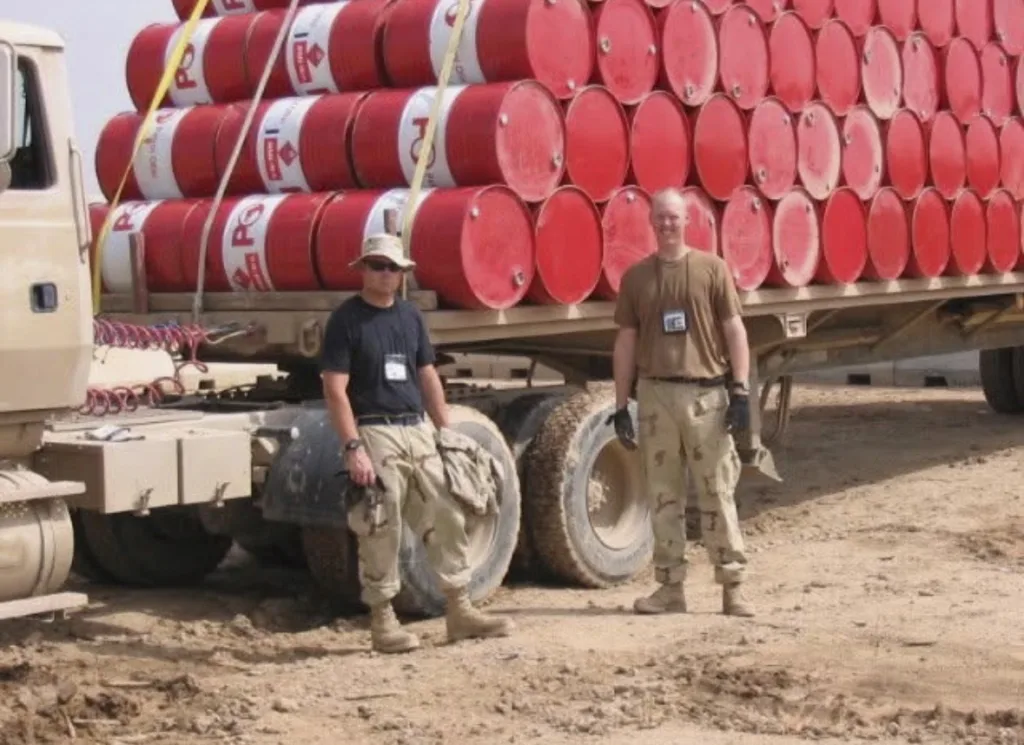
“Very quickly, I learned that basically all of the equipment I worked with in fuel was the same as the water industry,” said Garner, who has worked as a surface water operator, groundwater supervisor, and maintenance supervisor. He is now operational security manager for EPCOR — and a co-chair of AWWA’s Veterans Initiative, which seeks to both connect military veterans with civilian water careers and to educate water utility leaders about the transferable skills that veterans bring.
Because of his own experience and transition, he hopes to carve a path into water for more veterans like himself.
“A lot of people might say, ‘Oh, I’ve never worked in water or wastewater; there’s probably nothing there for me.’ But if you have an IT background, you can work in water; if you have an engineering background, construction, or electrical. There are so many different career opportunities within the industry. I like to talk to veterans about it and explain, ‘Hey, this isn’t just water and wastewater,’ ” he said.
Building awareness among utility recruiters is just as important, he added. Oftentimes, military veterans come with experience that doesn’t neatly match job descriptions, but Garner encourages recruiters to pay attention to transferable skills.
“If their resume doesn’t exactly align with the position you’re hiring for, understand that there are a lot of things that this person is bringing to the table that they don’t even realize align so well because they’ve never worked that job,” he said.
Military service can mean extensive technical training, experience working under pressure and, often, leadership responsibility from an earlier age than candidates typically encounter in civilian careers.
“A 22-year-old might have 10 people working for them already, so they learn all of the interpersonal skills,” he said, “which I’ve noticed is lacking on the civilian side — that formal training for people management.”
He also encourages recruiters to be aware of stereotypes about veterans. While many serve the U.S. in a combat capacity, many more do not. “What you see in war movies, that’s not the day-to-day,” he said.
In addition to bringing skills that aren’t often taught in classrooms — professionalism, dependability, and initiative — military veterans are also accustomed to testing yearly for military rank. This sets them up well for the kind of continuous learning and testing common in the water industry. Garner pointed to his own experience pursuing operator certifications. Within three years, he studied for and passed Arizona’s grade four certifications in water treatment, wastewater collection, and water distribution.
“Studying and testing was something I was used to for years,” he said.
AWWA’s Veterans Initiative seeks to make these connections on both sides of the hiring equation. Because, in the end, a connection can be life-changing; Garner knows for himself.
“Connections are more important than paperwork,” he said.
Advertisement