Water Operations
Water operators play a vital role in every community, protecting public health, and keeping water systems running safely and reliably.

Water Operations
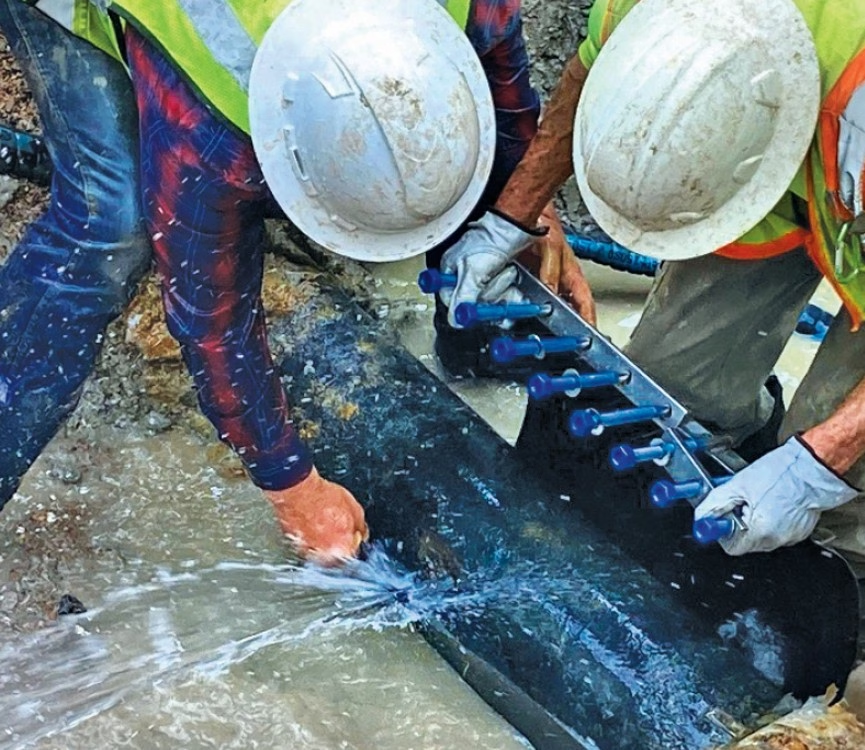
The People Behind Safe Water
Every community depends on skilled operators to provide safe drinking water and maintain reliable water systems.
Water operations offers stable careers, opportunities for advancement, and the chance to make a difference every day. As many experienced operators reach retirement, utilities across North America are looking for the next generation of professionals to enter the field.
Operator Certification – FAQ
Operators can work in various areas, such as water, wastewater, distribution, and reuse. These operators maintain equipment and processes to monitor and affect water as it moves through the treatment and distribution cycles.
Becoming a certified operator also offers individuals the opportunity to make a difference in society on a daily basis. Clean and safe water is essential to everyday life and operators have the ability to regularly impact that need.
What are some stats about the career?
The operator career is a promising and stable field. The U.S. Bureau of Labor Statistics estimates that in 2022 there were 124,800 water and wastewater treatment plant operators in the U.S. In general, jobs within the water industry remain relatively less affected by changes in the economy than other industries. Additionally, the U.S. Bureau of Labor Statistics maintains that in 2023 the average salary for water and wastewater treatment plant operators was $54,890 USD per year.
What does it take to become a certified operator?
These are some of the key skills that it takes to be a successful certified operator:
- Strong mathematical, mechanical, and science skills
- Ability to read charts, graphs, and maps
- Ability to engage in logical processes for troubleshooting
- Excellent interpersonal, verbal, and written communication skills
- Ability to create records and observations; engage in reporting of issues and lapse of best practices
- Articulates issues, problems, and processes clearly
- Demonstrates a strong commitment to plant safety activities, practices, and standards
- Willingness to work indoors and outdoors
- Willingness to work nights, weekends and holiday shifts — as plants are always running
What is required to get a job as an operator?
Utilities have different job requirements based on how large and complex their operations are and what the specific job duties are. Some positions may require a high school diploma, while others demand a stronger math and chemistry background, or an Associate’s or Undergraduate degree.
What are the steps to getting certified?
In some states, you need to pass a certification exam before you can be considered for an operator position. In others, you can get an operator job, but must pass the certification test within a set time frame after being hired. Refer to your state or province for more information about what is required.
What is the certification exam like?
Certification tests cover topics such as chemistry, disinfection, biology, hydraulics, treatment techniques, measurement, and math calculations. The exams typically contain multiple choice questions.
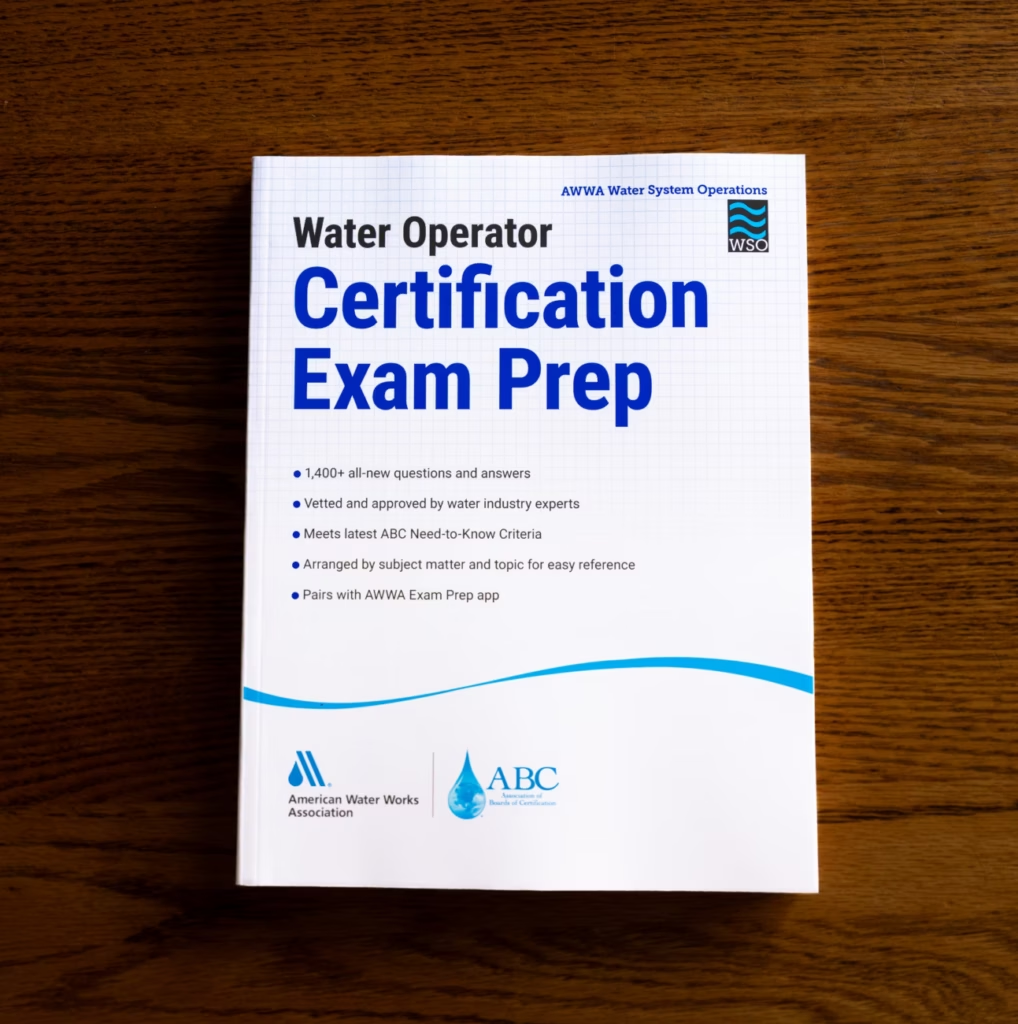
Introducing Water Operator Fundamentals
Water Operator Fundamentals is the next generation of AWWA operator training materials, which replaces the trusted foundation of AWWA’s classic Water System Operations (WSO) series.
The series is designed to help operators form foundational knowledge, prepare for certification exams, and develop the skills needed for success on the job. Certification is an important part of an operator’s career. It demonstrates knowledge, ensures credibility, and helps prepare operators for greater responsibility. Water Operator Fundamentals can help you get there.
Exam Prep Resources
Prepare with a collection of resources designed to help you study and learn in the way that works best for you.
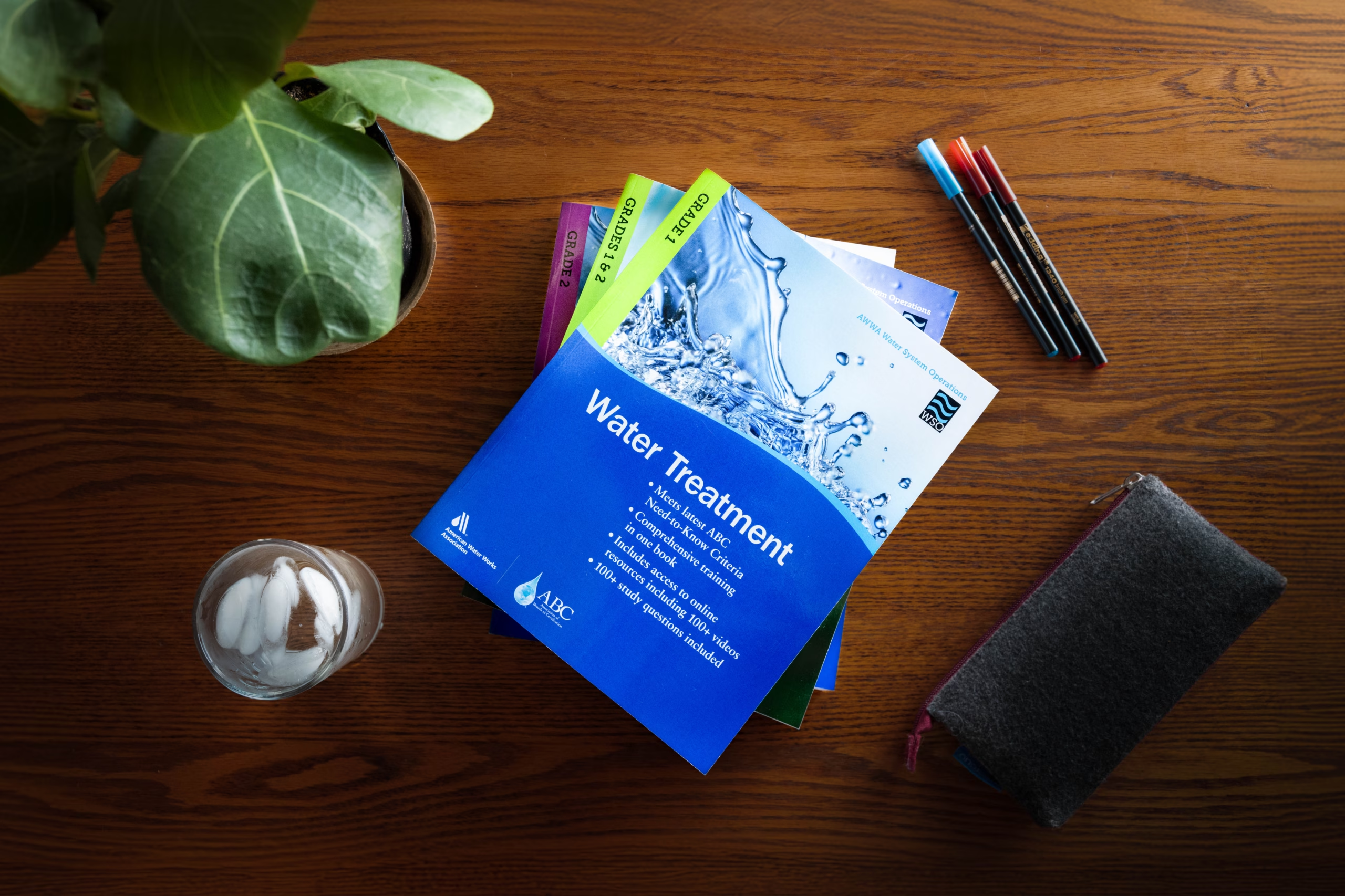

Water System Operations (WSO) Series
Foundational learning for certification and operator success.
Exam Prep Questions
Practice questions that reinforce key concepts and help identify areas for improvement.
Math for Operators
Strengthen one of the most important skills required for certification exams and daily operations.
- Math for Water Treatment Operators: Practice Problems to Prepare for Water Treatment Operator Certification Exams
- Math for Distribution System Operators: Practice Problems to Prepare for Distribution System Operator Certification Exams
- Math for Wastewater Treatment Operators: Practice Problems to Prepare for Wastewater Treatment Operator Certification Exams
- Math for Wastewater Treatment Operators: Practice Problems to Prepare for Wastewater Treatment Operator Certification Exams
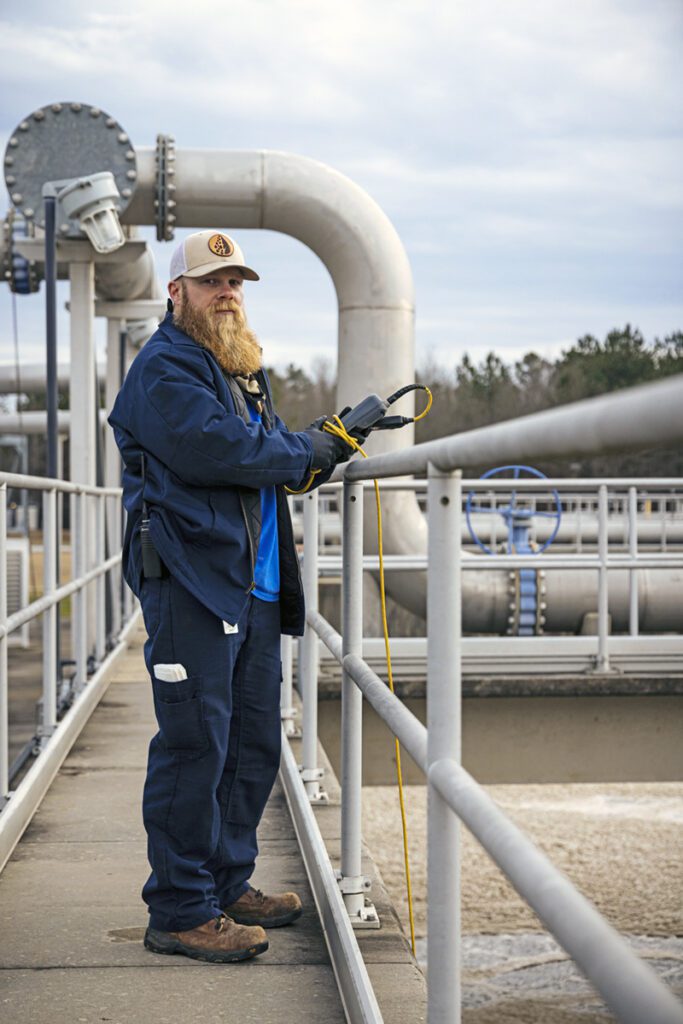
Water Operator Continuing Education Fund
AWWA and the 43 Sections across North America have come together to create the Water Operator Continuing Education Fund. The fund supports continuing education with the water industry. AWWA’s Water Equation matches funds raised at the section to provide, books, tuition, training, education, and certification to operators at water and wastewater treatment plants.
The Water Operator Continuing Education Fund (formerly the One AWWA Operator Scholarship) is funded through a matching fund from generous donations made to AWWA’s Water Equation and participating Sections. Contact your section on how to apply.
Learn More
Explore Water Careers
Interested in entering the profession?
Learn more about water careers, certification pathways, workforce programs, and employment opportunities.
The Role of Water and Wastewater Operators Micro-Learning
Learn about the vital responsibilities and skills of operators who ensure safe drinking water and effective wastewater treatment, including roles in system monitoring, equipment maintenance, regulatory compliance, and public health protection. The course also outlines the required technical knowledge, career advancement opportunities, and the environmental impact of their work. Training and certification pathways are discussed, along with the profession’s challenges and rewards.
Access Free Microlearning